




ATR calls for decisive EU action on regional aviation at the European Parliament
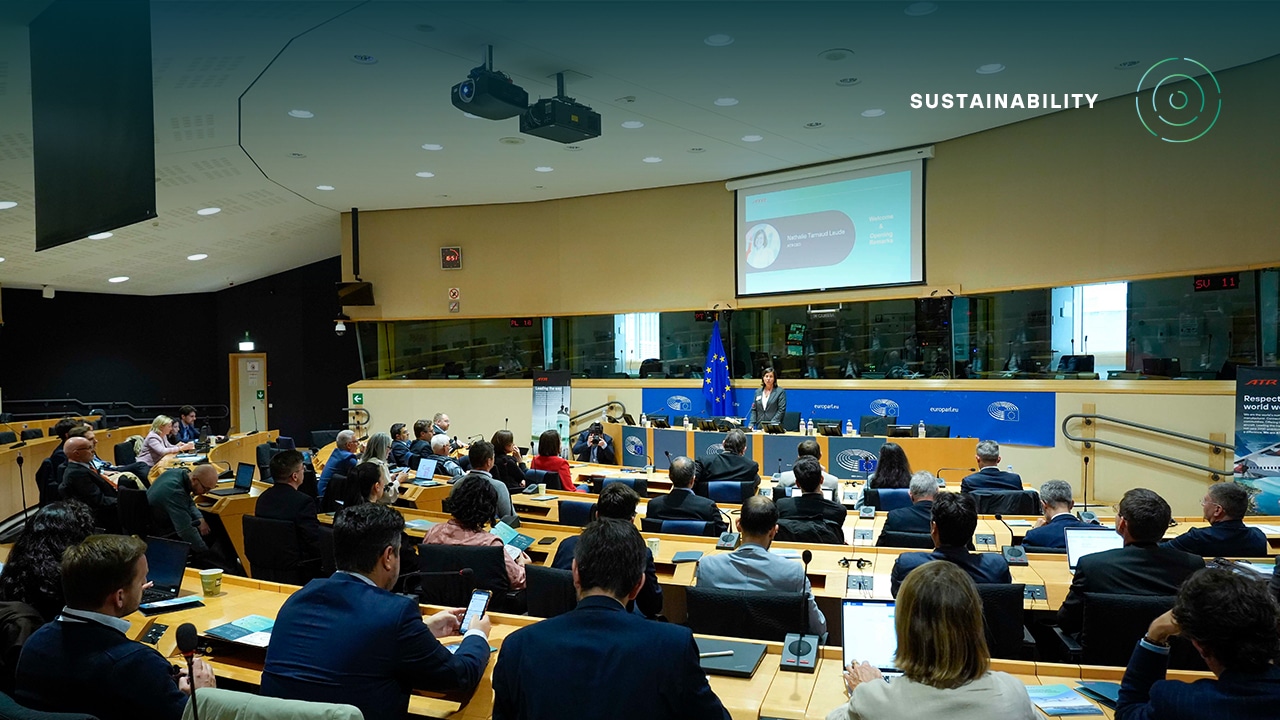
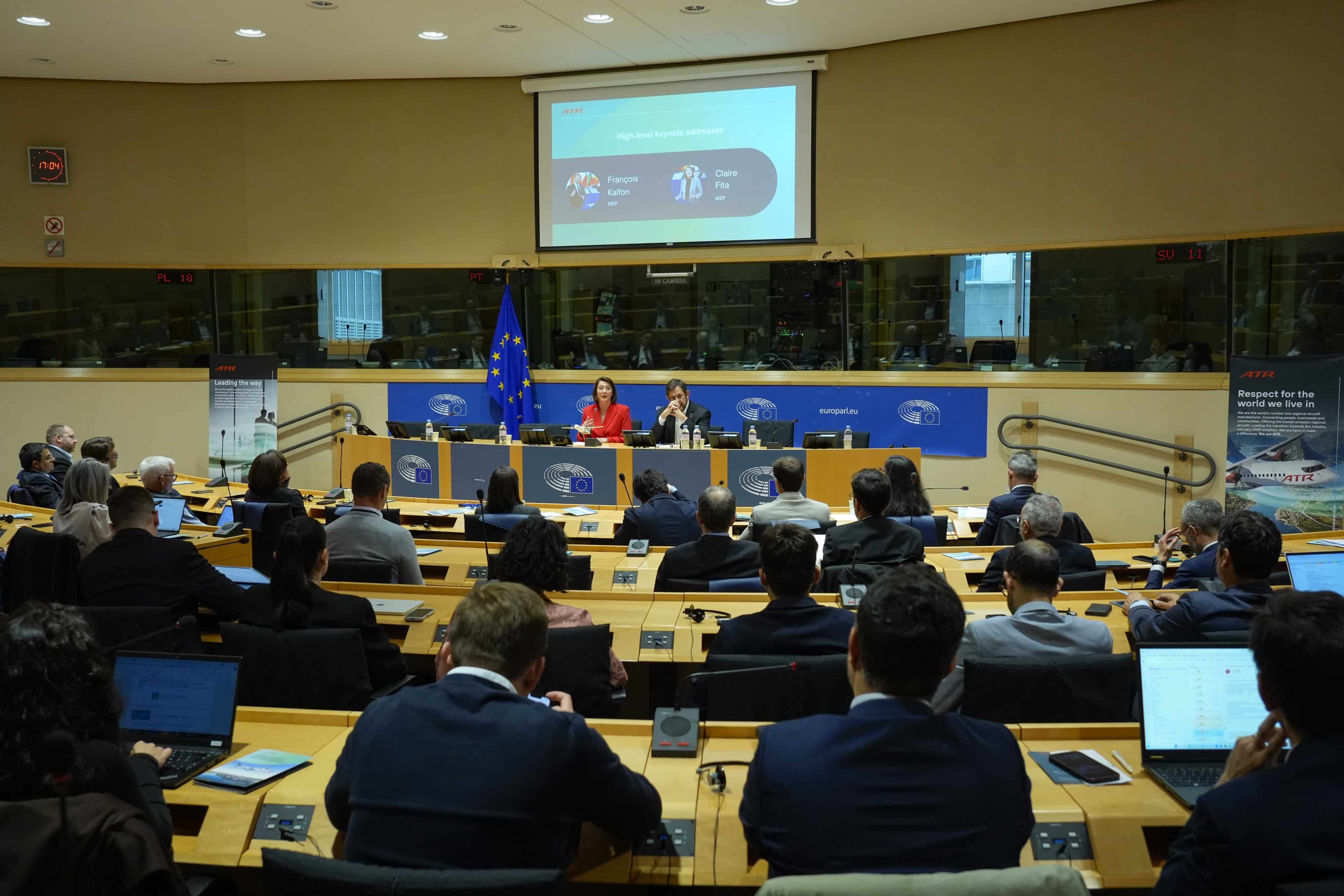
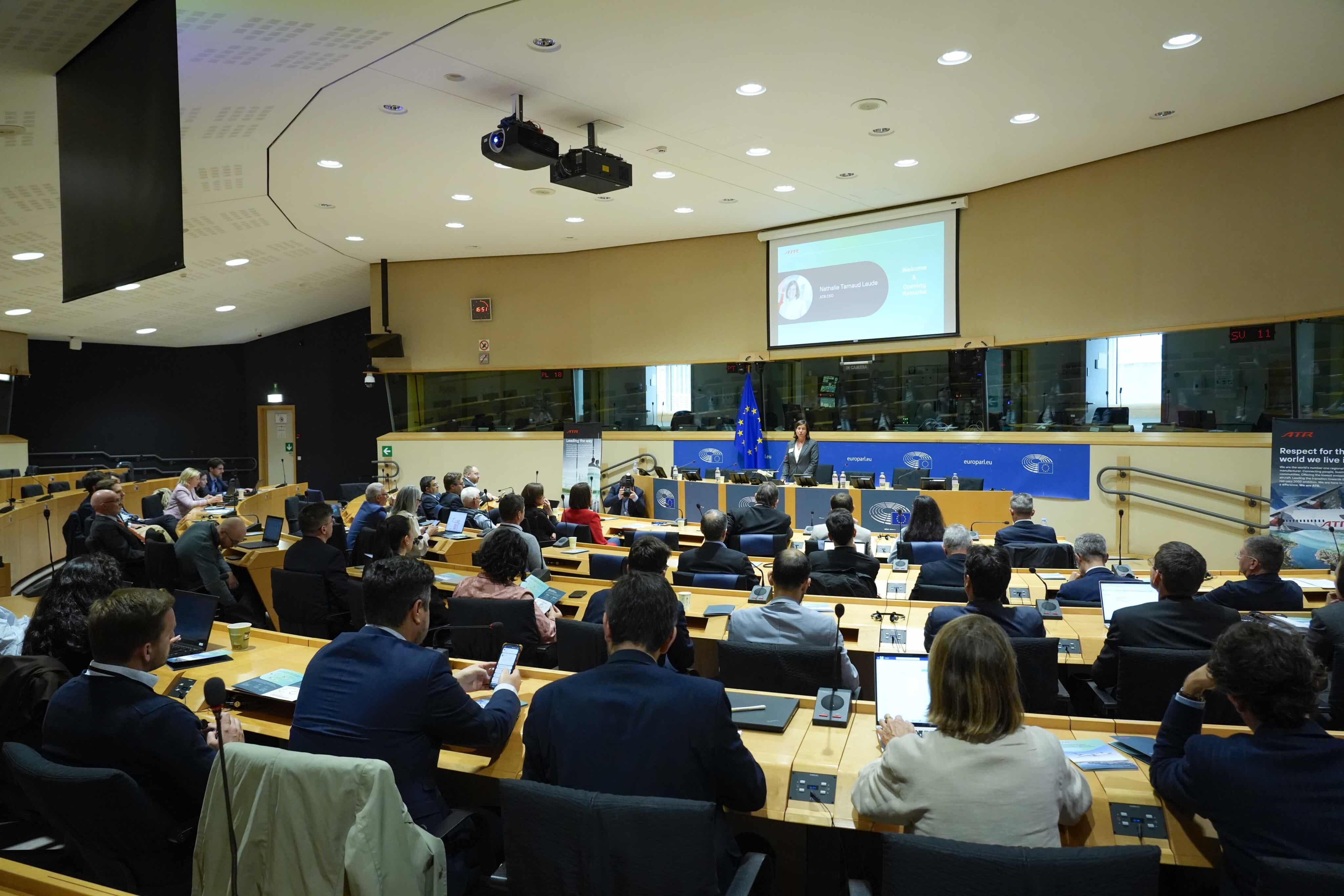
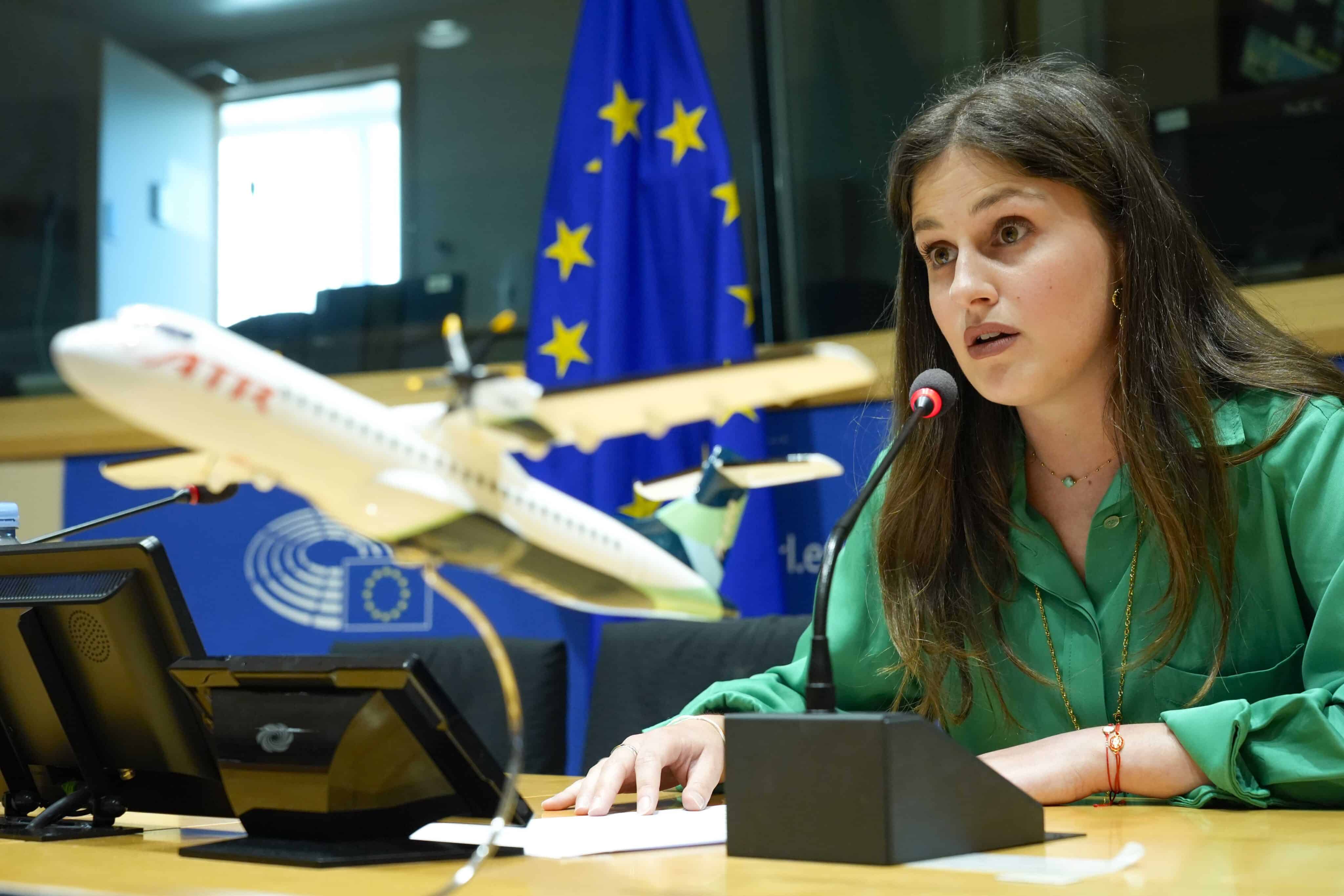
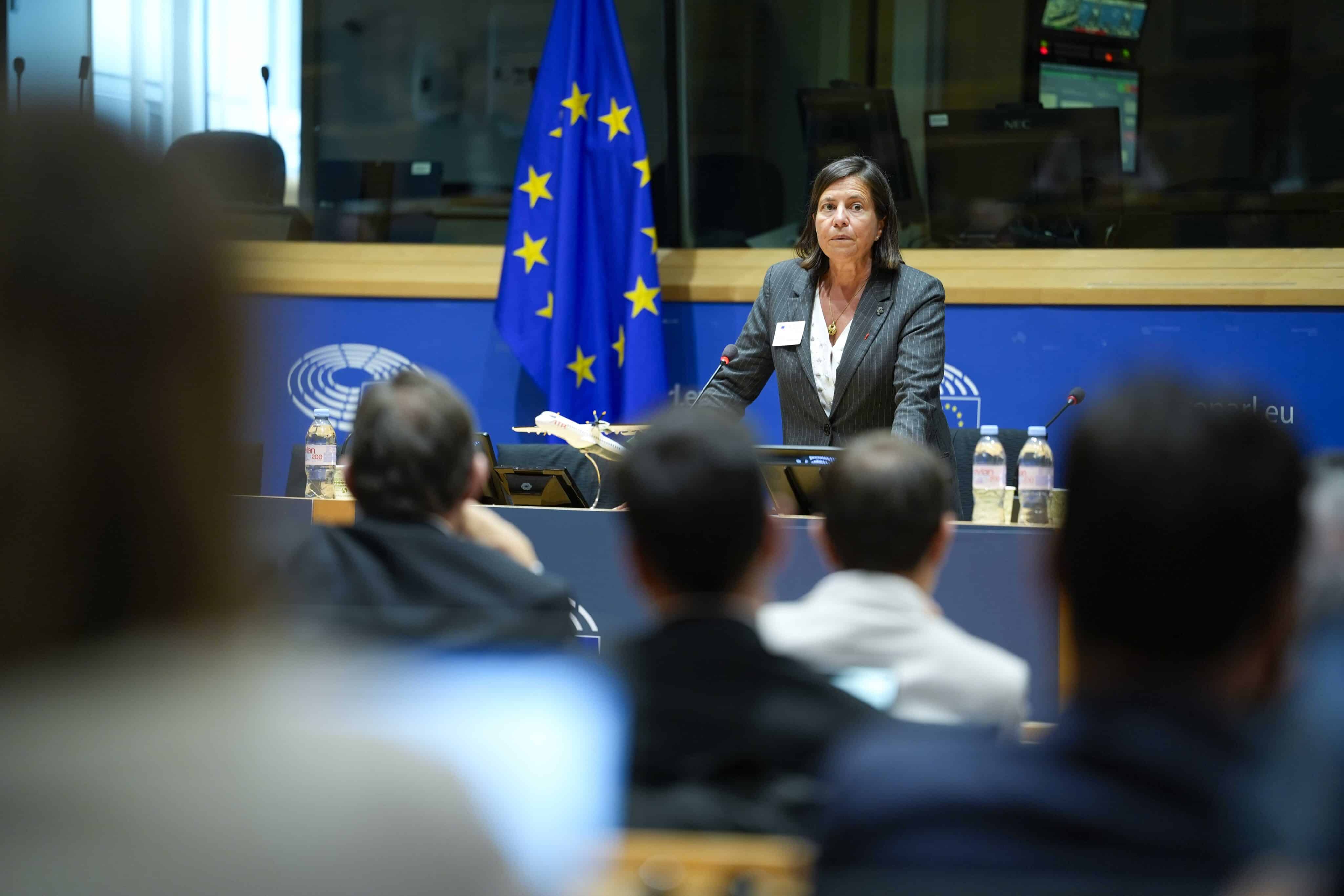
Regional aviation must play a central role in reconciling Europe’s territorial cohesion, climate ambitions and industrial sovereignty. This was the message we brought at the European Parliament, on 9 June 2026, gathering policymakers, industry leaders and aviation stakeholders around a shared conviction: now if the time for coordinated European action:
Four priorities emerge clearly for Europe’s aviation future.
Safeguarding connectivity across Europe
Under the high patronage of Members of Parliament Claire Fita and François Kalfon, discussions reaffirmed the vital role of regional aviation in connecting Europe’s territories. Far beyond leisure travel, regional aviation provides a lifeline for populations in remote and underserved areas, ensuring access to essential services such as healthcare and education, while supporting local economies. It is a key enabler of equal opportunities across the continent.
A strategic race Europe cannot afford to lose
Aviation decarbonisation is not only an environmental imperative, but a global industrial race. Ensuring that low‑carbon aircraft are designed, built and operated in Europe is critical to sustaining competitiveness and strategic autonomy.
Europe must therefore go beyond innovation alone and ensure it can industrialise these technologies at scale. This is why ATR calls for a financial framework that would support all credible pathways, from sustainable aviation fuels (SAF) and operational efficiency to retrofit and emerging propulsion technologies.
In a context of intensifying global competition, a coherent European aeronautics strategy will be essential to maintain industrial leadership and better coordination across the regulatory landscape is key.
Investing where it matters most
To maximise impact, investment must be directed where it delivers the greatest decarbonisation impact.
As SAF remains the most effective lever to reduce CO2 emissions in the short to medium term, ATR calls for pragmatic measures to accelerate its uptake across Europe and overcome current supply constraints.
In the long term, regional aviation is a critical enabler, providing the first commercially relevant scale at which low‑carbon technologies can be validated under real airline operating conditions. This positions the segment as a key bridge between research and future larger aircraft programmes.
A clear call for coordinated action
Europe has all the assets to remain a global leader in regional aviation. However, success will depend on timely, coordinated decisions: by aligning climate ambition with industrial capability and focusing investment where it delivers the greatest impact, regional aviation can help Europe meet its environmental goals while strengthening its competitiveness and sovereignty.

Share this article


