



From Ambition to Impact: An Environmental Journey in Motion
World Environment Day is about concrete results, strengthened commitments and a clear strategy for the future
Since 2019, we have significantly accelerated efforts to reduce our environmental footprint and embed sustainability across all our activities. Today, this commitment translates into measurable results and a clear, ambitious trajectory aligned with long-term net-zero ambitions. This edition of World Environment Day offers a special moment to step back and reflect on how far we’ve come, and where we’re heading.
Concrete results already achieved
Thanks to the collective mobilisation of teams and the deployment of targeted actions across operations, ATR has delivered significant environmental progress between 2019 and 2025, compared to a 2018 baseline.
Energy and carbon emissions
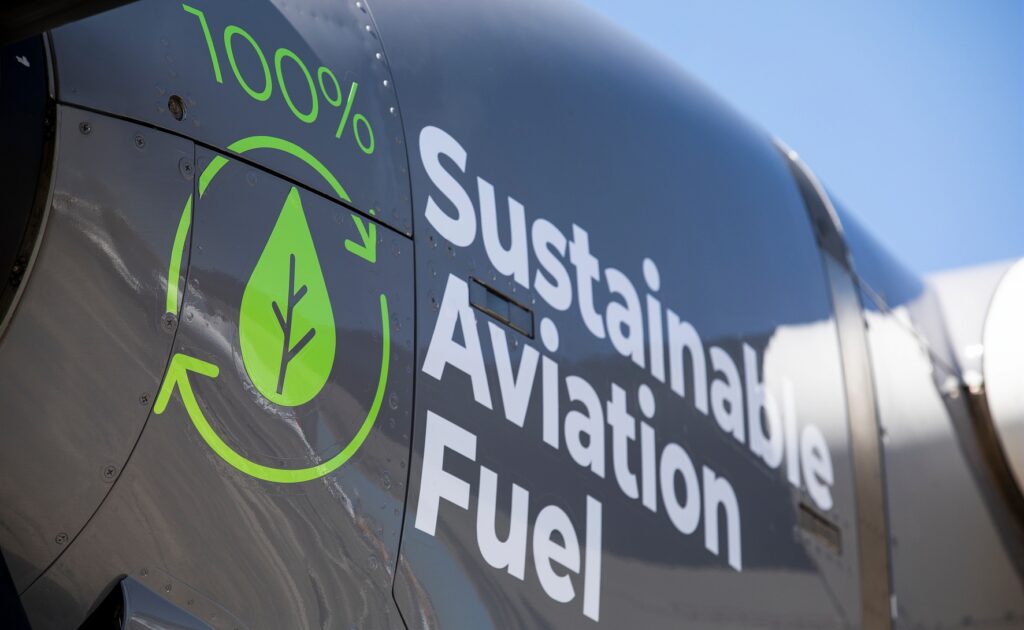
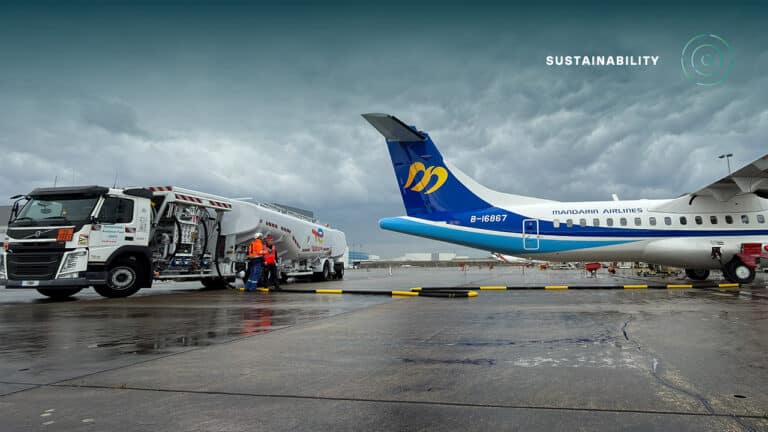
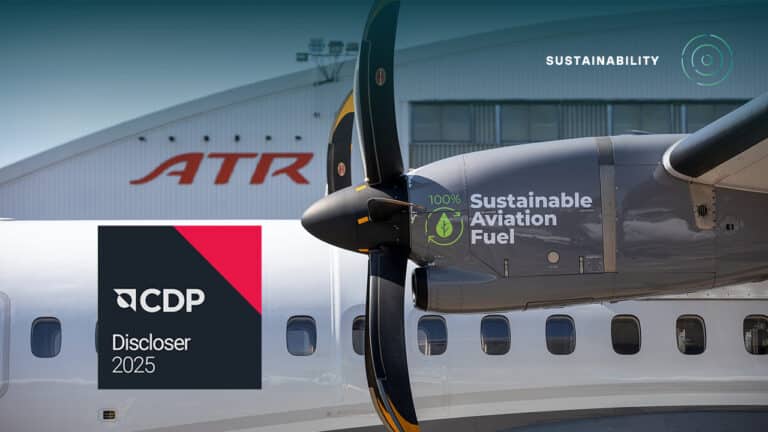
CO₂ emissions from our sites have been reduced by 58% between 2018 and the end of 2025, driven by improvements in building thermal performance and energy efficiency. Notably, gas consumption has decreased by around 60%, while 37% of aviation fuel used in operations in 2025 was Sustainable Aviation Fuel (SAF).
Waste management
We continue to strengthen our circular approach:
- Over 70% of non-hazardous waste is recycled
- Waste sorting compliance reaches 96%
- Total waste volumes have been reduced by 12%
Responsible sourcing
Environmental considerations are increasingly embedded within our supply chain. Today, the vast majority of our strategic suppliers are engaged in structured environmental approaches, supported by ISO 14001 certification or equivalent standards.
Aircraft emissions
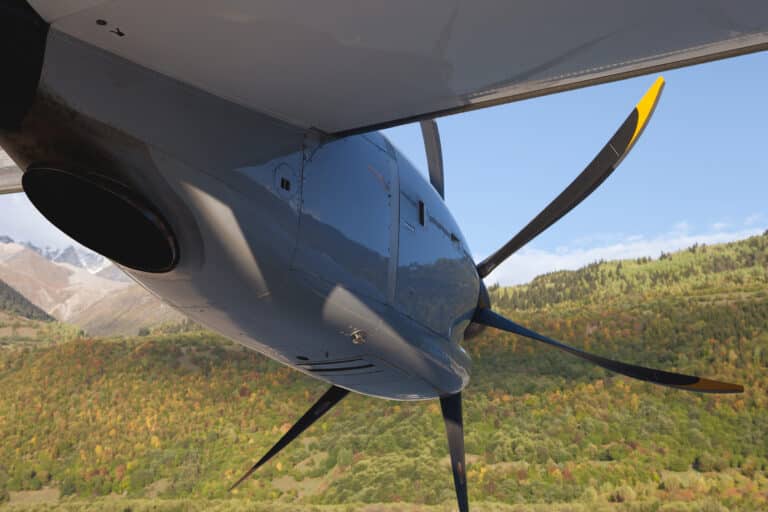
With the certification of the PW127XT engine, all new ATR aircraft now deliver at least 3% lower carbon emissions during operations, contributing directly to airlines’ decarbonisation efforts.
Eco-design
Eco-design has become a key lever across product development:
- 77% of engineering modifications are now subject to environmental evaluation
- A full life cycle assessment (LCA) of the ATR 72 has been conducted to identify environmental hotspots and define improvement pathways
Certified environmental management
Our French sites are ISO 14001 certified, demonstrating the robustness of our environmental management systems and our commitment to continuous improvement.
A stronger and more mature low-carbon strategy
Since our initial roadmap was launched in 2022, we have significantly strengthened our low-carbon strategy, which is now more structured and mature – reflecting several years of operational experience, aligned with Science-Based Targets initiative (SBTi) requirements, and built on robust, measurable and realistic objectives, balancing ambition with pragmatism.
We remain fully committed to the aviation industry’s objective of achieving net-zero emissions by 2050, and this updated strategy provides a clear pathway to support that transition.
It focuses on:
- Reducing emissions across operations (energy, infrastructure, internal SAF usage)
- Supporting suppliers in their low-carbon transformation
- Continuously improving aircraft efficiency
- Exploring breakthrough technologies, including hybrid propulsion, notably through the Clean Aviation R&D programme
An ambitious environmental roadmap to 2030
Looking ahead, we have defined a clear set of priorities to further enhance environmental performance across both operations and products.
Accelerating decarbonisation
We will continue to:
- Improve energy efficiency across our facilities
- Increase the use of Sustainable Aviation Fuel
- Support suppliers in adopting low-carbon practices
- Advance aircraft performance and innovation
Preserving natural resources
We are reinforcing our actions to protect biodiversity and natural resources by:
- Expanding eco-design practices
- Further reducing and valorising waste
- Integrating environmental considerations across product life cycles

Managing hazardous substances
We are also strengthening control over hazardous materials through:
- Enhanced monitoring and traceability
- Strict management frameworks
- Continuous reduction efforts to protect both the environment and human health
From commitments to impact
These achievements demonstrate our ability to turn commitments into concrete, measurable action, delivering tangible benefits for both the environment and overall company performance.
Our 2030 ambitions now act as a collective compass, guiding decisions, priorities and investments for the years ahead, while ensuring ATR remains on a clear trajectory towards a net-zero future for the aviation industry by 2050.

Share this article


