

What is Regional Air Mobility
Regional air mobility refers to the system of air transport that connects smaller cities, regional hubs, and remote areas through short-haul flights. It plays a key role in enabling efficient and accessible travel between regions, especially where distances, geography, or infrastructure limitations make other transport modes less effective.
Unlike long-haul aviation, which focuses on connecting major global hubs, regional air mobility is designed to serve shorter routes with frequent connections, supporting local and regional travel needs. As part of the broader regional mobility ecosystem, it complements other transport modes by providing efficient and reliable connections across territories.
Why Regional Air Mobility Matters
Regional air mobility is essential for improving accessibility and reducing travel times between regions. It enables communities, businesses, and individuals to connect more efficiently, particularly in areas where alternative transport options are limited or time-consuming.
By facilitating access to economic opportunities, services, and markets, regional air mobility supports local development and strengthens regional economies. It also plays a crucial role in connecting remote or underserved areas, ensuring that they remain integrated within national and international networks.

How Regional Aviation Works
Regional air mobility operates through a network of secondary airports, regional hubs, and point-to-point connections. These networks are designed to optimise connectivity by linking smaller cities directly or by connecting them to larger hubs where passengers can access wider transport networks.
This system often works in coordination with other transport modes, such as road and rail, creating integrated mobility solutions. By combining different types of connections, regional air transport systems help ensure continuity of travel and improve overall accessibility.
Regional Aviation and the Role of Turboprop Aircraft in Regional Mobility
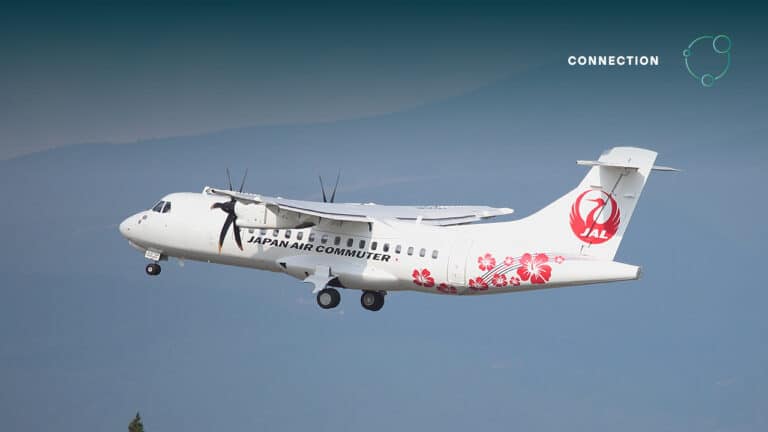
Regional aviation refers to the system of air transport that connects smaller cities, rural areas, and remote locations with major metropolitan hubs. This form of aviation can be powered by efficient aircraft such as turboprop aircraft and plays a vital role in reducing travel times, enhancing accessibility, and promoting responsible short-haul flights. Thanks to advancements in turboprop technology, regional air transport can significantly reduce operational costs while increasing frequency and capacity. This makes turboprops an ideal solution for strengthening the regional aviation network, offering communities vital access to both domestic and international markets.
This connectivity offers economic growth, supporting sectors such as tourism, commerce, and industry by enabling faster movement of people and goods across regions.
Today, air transport represents just 2-4% of all regional trips, depending on the country, but its role is both unique and essential. Regional air mobility is particularly impactful in:
- Developing economies, where ground infrastructure is limited and surface travel options are slow or unreliable.
- Challenging geographies, such as mountainous regions or archipelagos, where building roads, rail, or tunnels is costly and slow, and ferries or detours add significant travel time.

Airline consolidation has made fewer hubs more dominant by maximising the number of 1 stop air routes while reducing the possibility for passengers to travel non-stop between secondary cities and so adding time, costs, and carbon emissions.
Globally, 96% of traffic is concentrated in just 4% of airports, yet many countries, such as Indonesia, South Korea, India, and France, have dense networks of secondary airports that are underused. This imbalance causes congestion in major hubs and limits growth opportunities for smaller regions.
By boosting regional air mobility we can connect communities and businesses more quickly and effectively, make better use of existing airport infrastructure and avoid costly surface transport investments, where you have a runway, you don’t need a highway.


Key Technologies Driving Regional Aviation
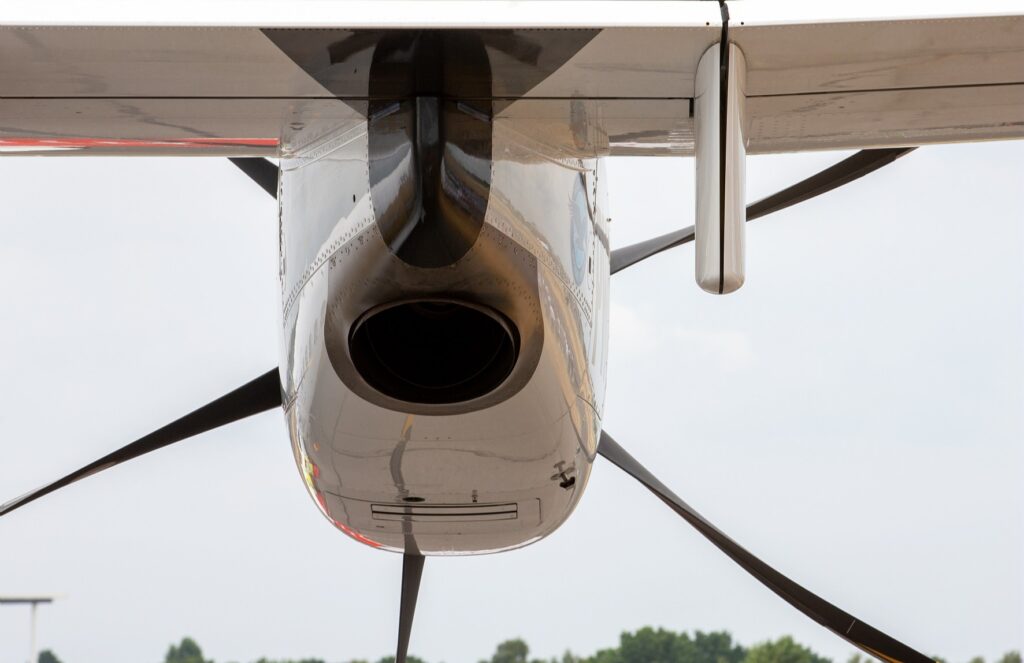
The evolution of regional aviation is being shaped by a series of groundbreaking technologies. Modern turboprop engines, for instance, offer fuel efficiency, low operating costs, and increased reliability, making them ideal for short, to medium, haul flights. Advanced avionics systems help increase safety margins and optimise flight operations, while lightweight composite materials are used to reduce aircraft weight and increase fuel efficiency.
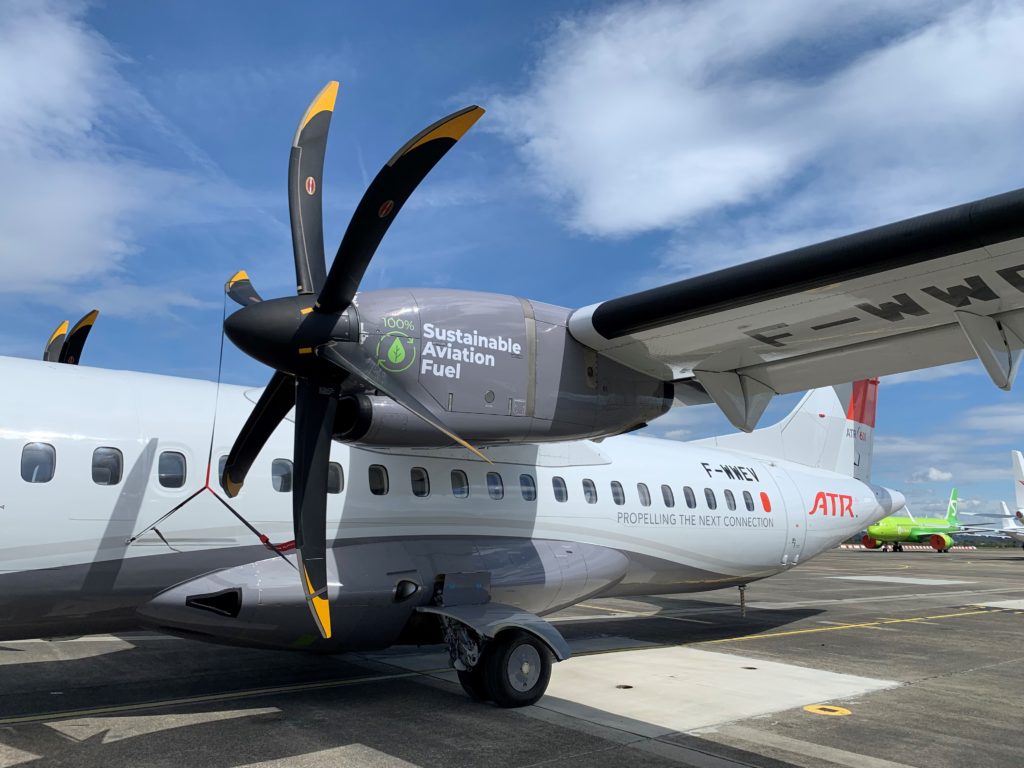
Another critical advancement is the integration of sustainable aviation fuel (SAF), which reduces carbon emissions and offers a better future for air transport. These technologies, combined with innovative aircraft designs, are set to make regional aviation more efficient, responsible, and cost, effective than ever before.
Future of Regional Air Mobility
The future of regional air mobility is shaped by evolving mobility needs, technological advancements, and the increasing demand for efficient and accessible transport solutions. As regions continue to grow and develop, the need for reliable regional connectivity will become even more critical.
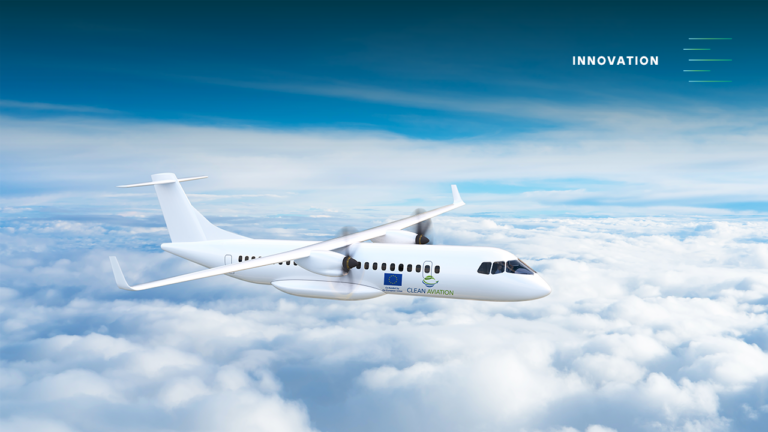
Innovations in aircraft design, digital technologies, and integrated transport systems will contribute to improving efficiency and enhancing the passenger experience. Regional air mobility is expected to remain a key component of future transport ecosystems, supporting both economic development and territorial connectivity.
The Role of ATR in Regional Air Mobility
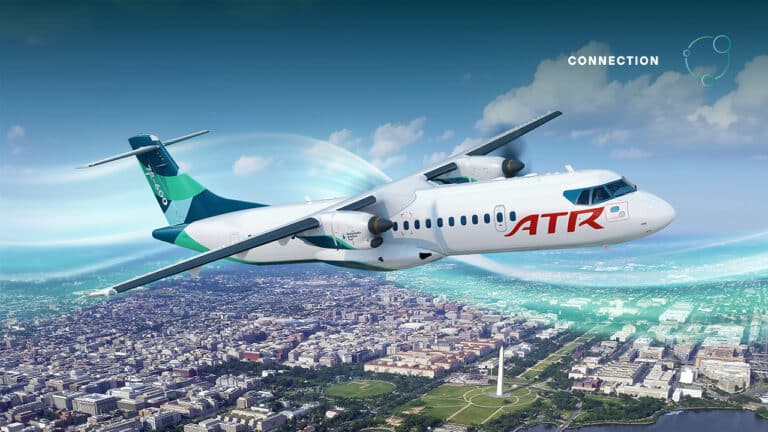
ATR plays a leading role in supporting regional air mobility by providing aircraft specifically designed for short-haul and regional operations. With a focus on efficiency, reliability, and adaptability, ATR turboprop aircraft enable airlines to connect communities and regions in a sustainable and cost-effective way.
ATR turboprop aircraft are optimised for regional routes, offering strong performance on short distances and the ability to operate in a wide range of environments. By supporting regional connectivity, ATR contributes to building more accessible and efficient mobility systems worldwide.