
Where Aviation Is a Lifeline: Connecting Northern Canada with Rise Air
Somewhere in Northern Saskatchewan, a mother is waiting.
She needs to get to a medical appointment in the city, one she can’t miss. There’s no highway that will take her there. No train. No bus. Just a small airstrip, a turboprop engine humming to life in -40°C air, and a flight attendant who knows her name.
This is what Rise Air does every single day.

More Than an Airline: A mission beyond transportation
Rise Air connects dozens of remote communities across Northern Saskatchewan. But to call it simply an airline would be to miss the point entirely.
For the people it serves, each flight carries something that can’t be measured in cargo weight or seat capacity. It carries a child getting home after surgery. A family reunited after months apart. Fresh food reaching a community that hasn’t seen a delivery in weeks. A worker heading out, knowing their family back home is taken care of.
As a 100% Indigenous-owned airline, Rise Air was built for the communities it serves. That’s not a marketing line, this is what shapes every decision, every route, every flight.
“For the communities we serve, air travel isn’t about convenience, it’s about access. Whether it’s getting to a medical appointment, receiving essential goods, providing access to employment, or staying connected with loved ones, every flight plays a critical role. Our partnership with ATR allows us to continue delivering that service reliably, even in the most challenging conditions.” Derek Nice, President and CEO – Rise Air

Flying where few can operate
Operating anywhere in Northern Canada means facing some of the most demanding conditions in commercial aviation.
Extreme winter temperatures can drop to -40°C and below. Many airstrips are short, remote, or unpaved. Scheduled routes supporting community members are often low-density but critically important.
These realities require aircraft that are not only efficient, but highly adaptable and reliable.

Why ATR: built for the realities of the North
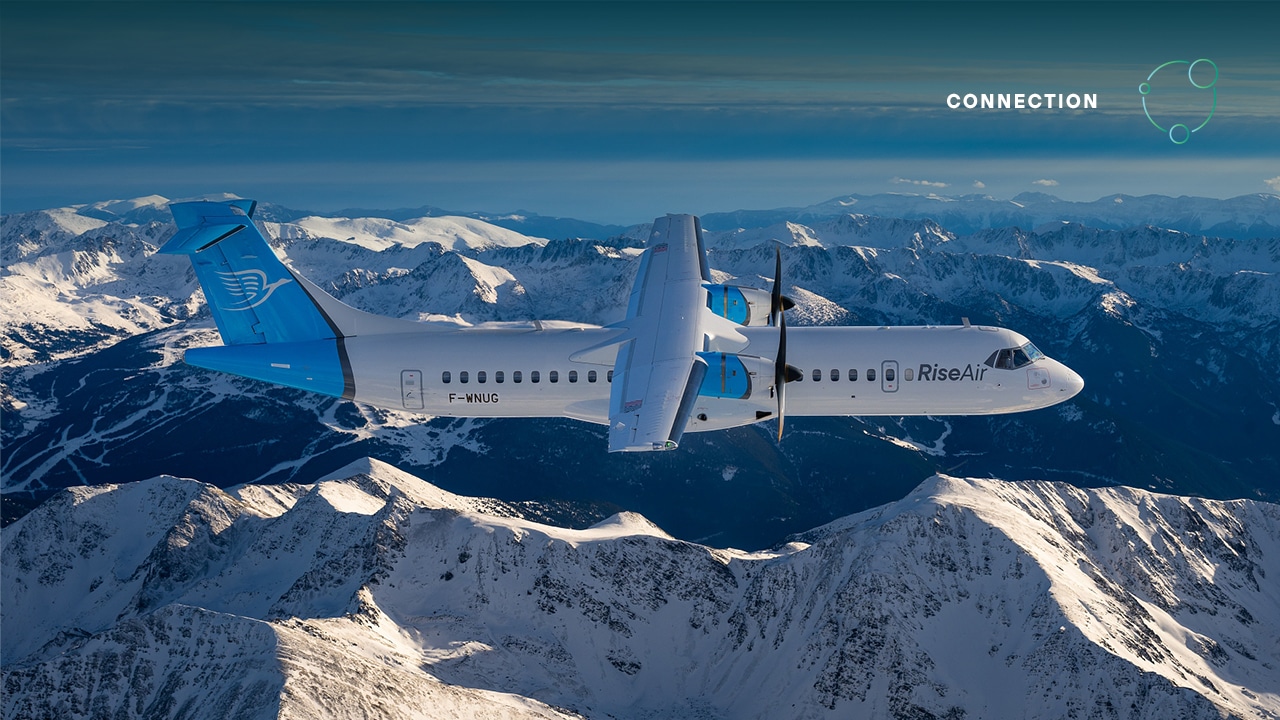
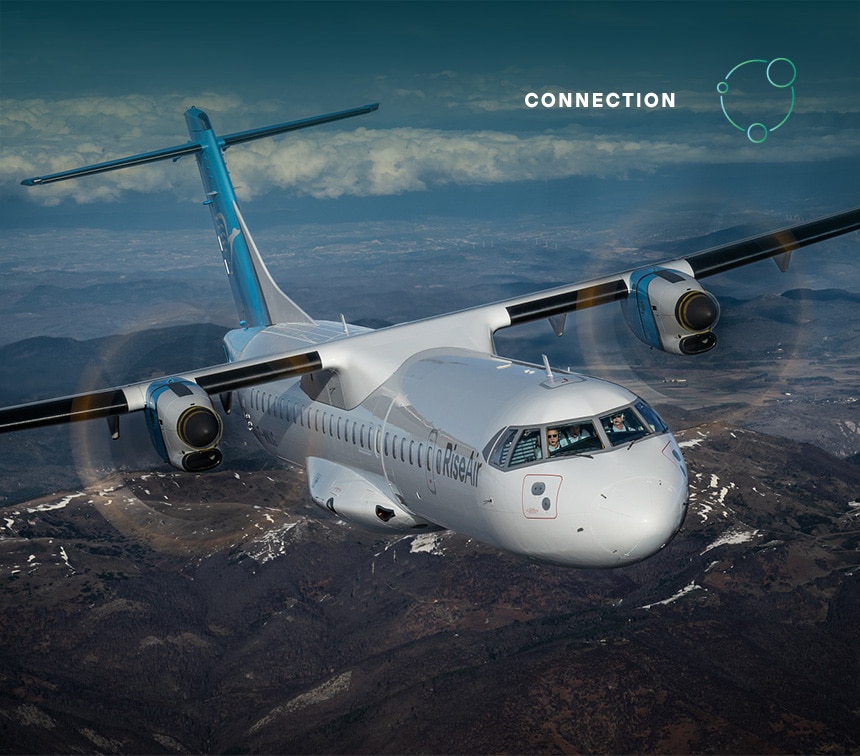
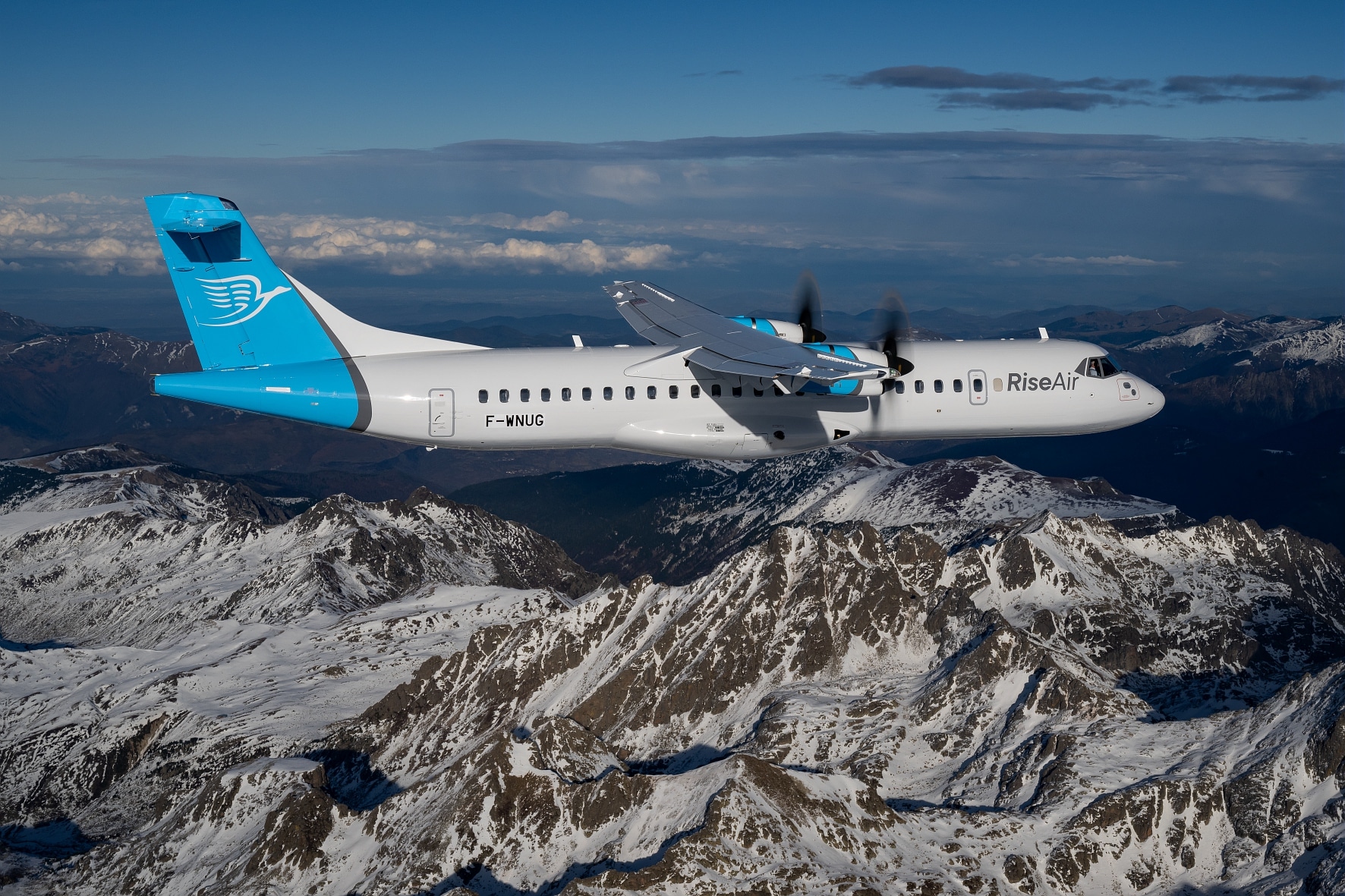
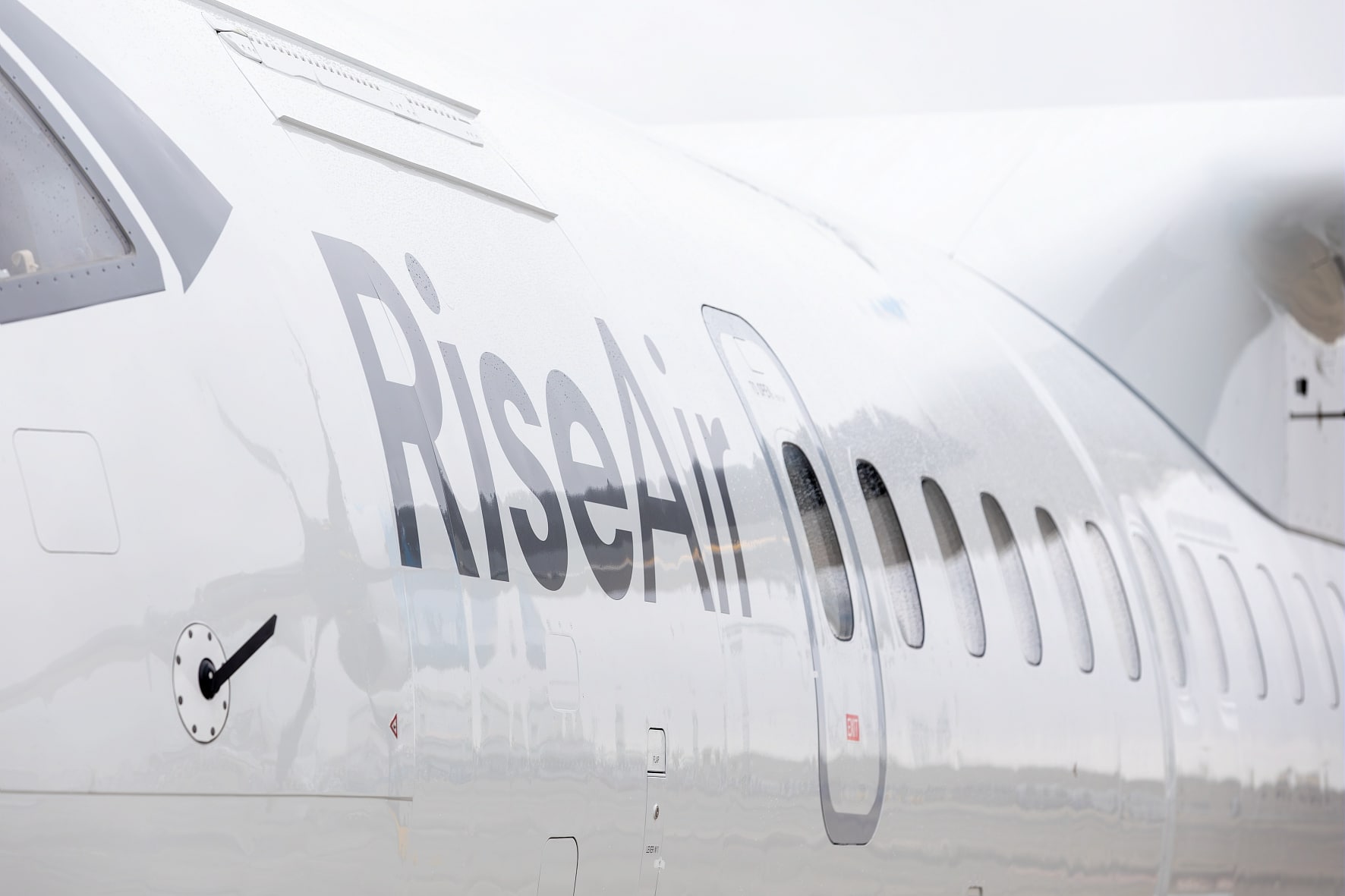
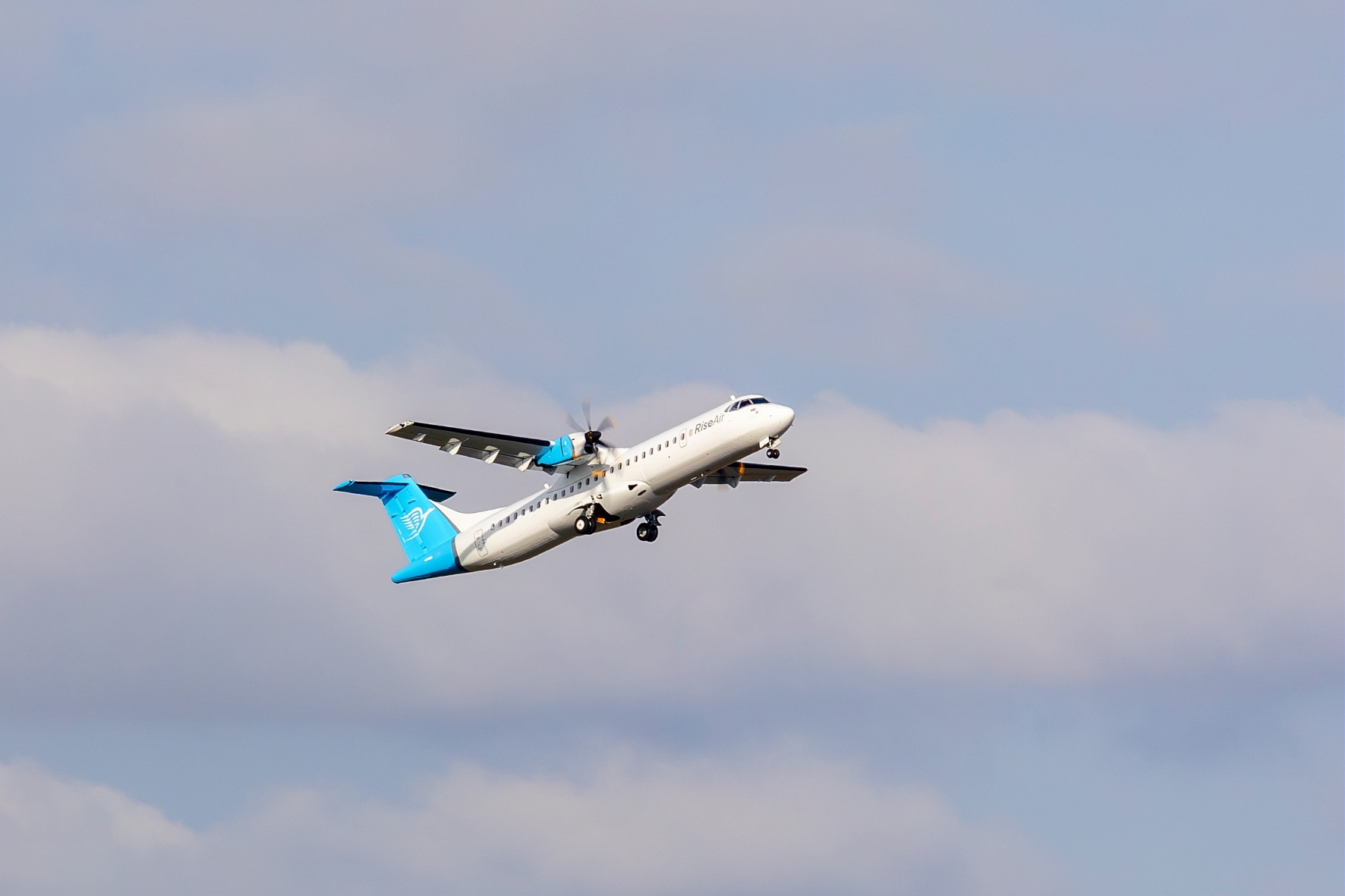
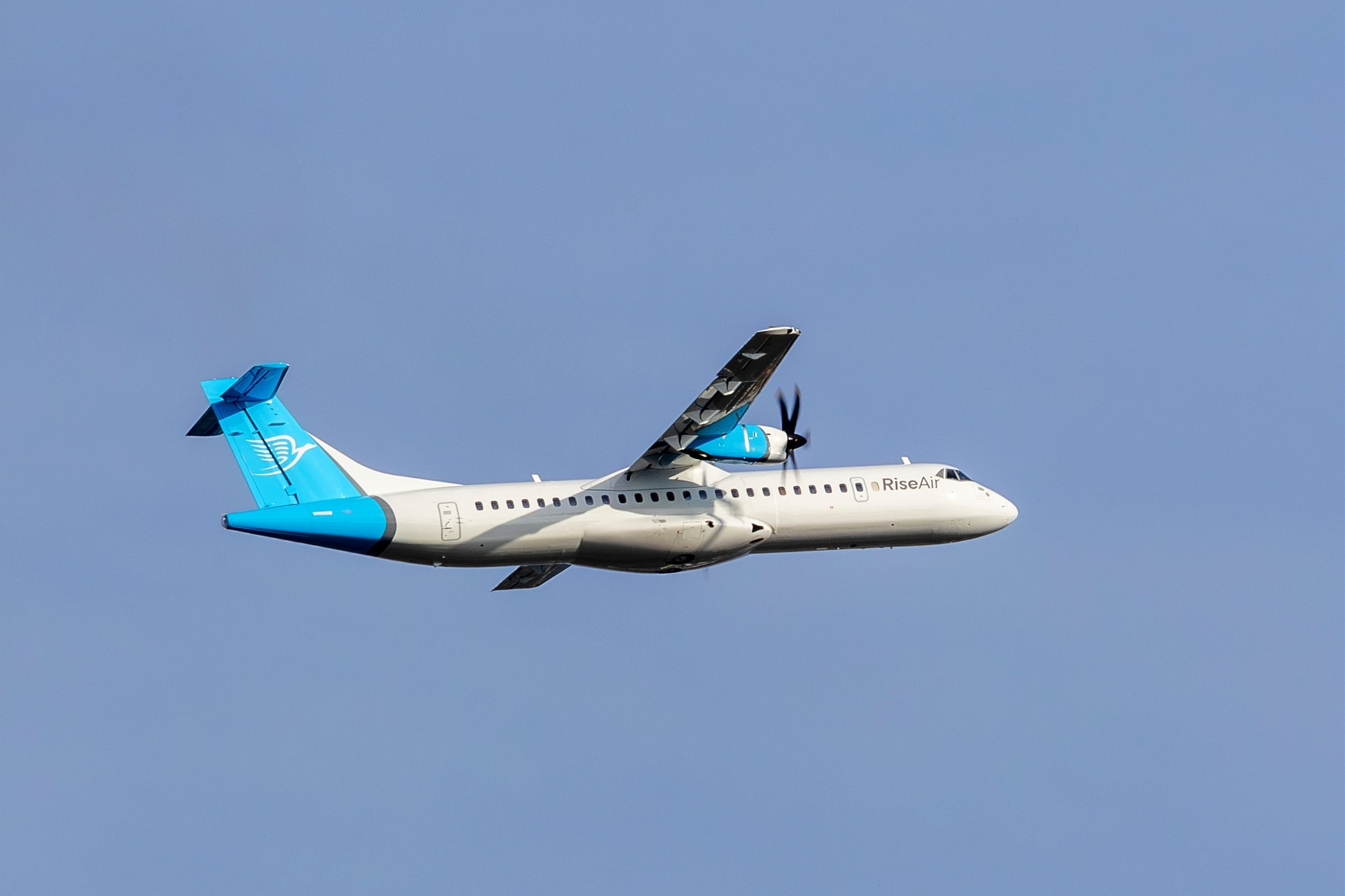
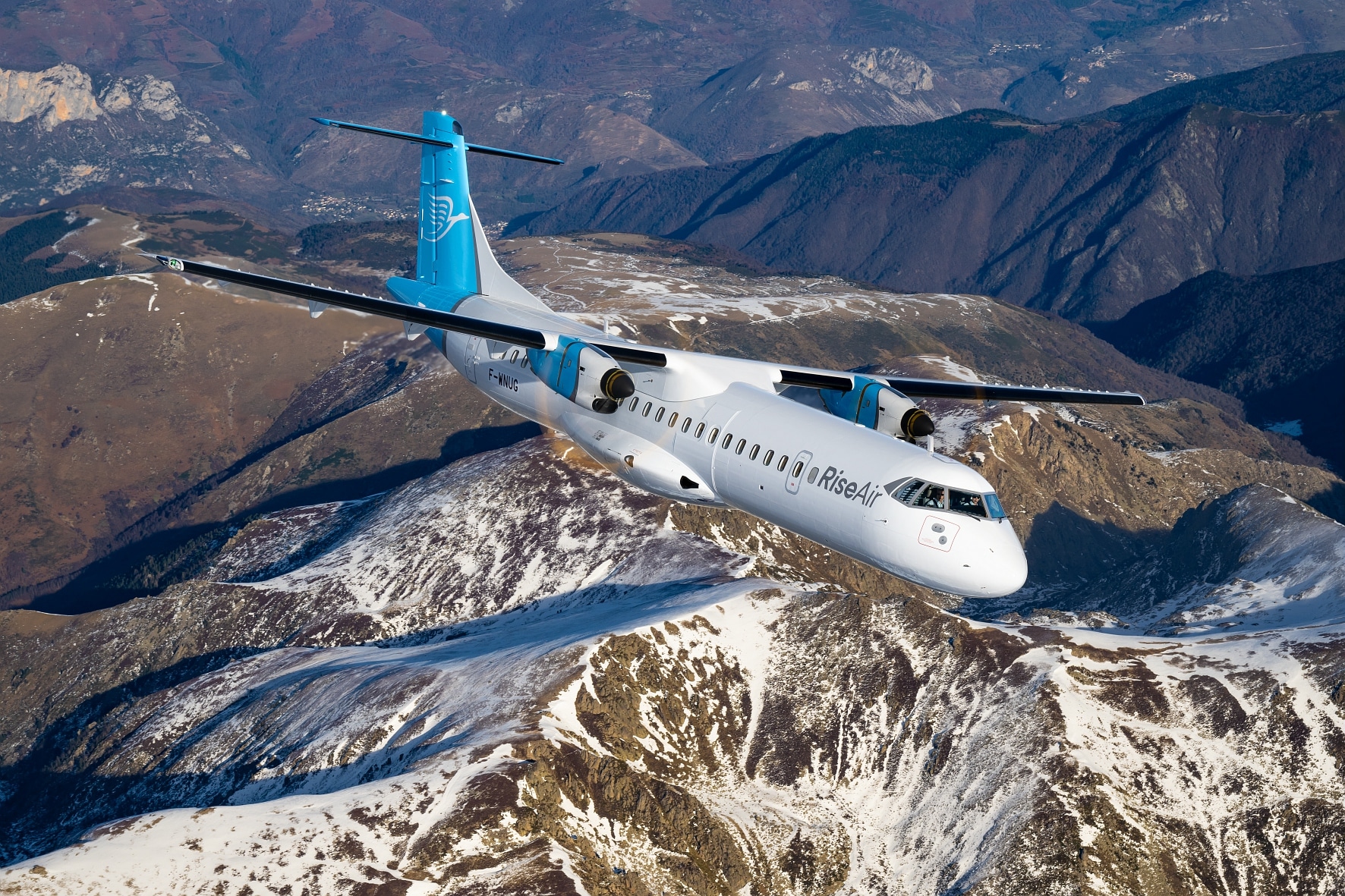
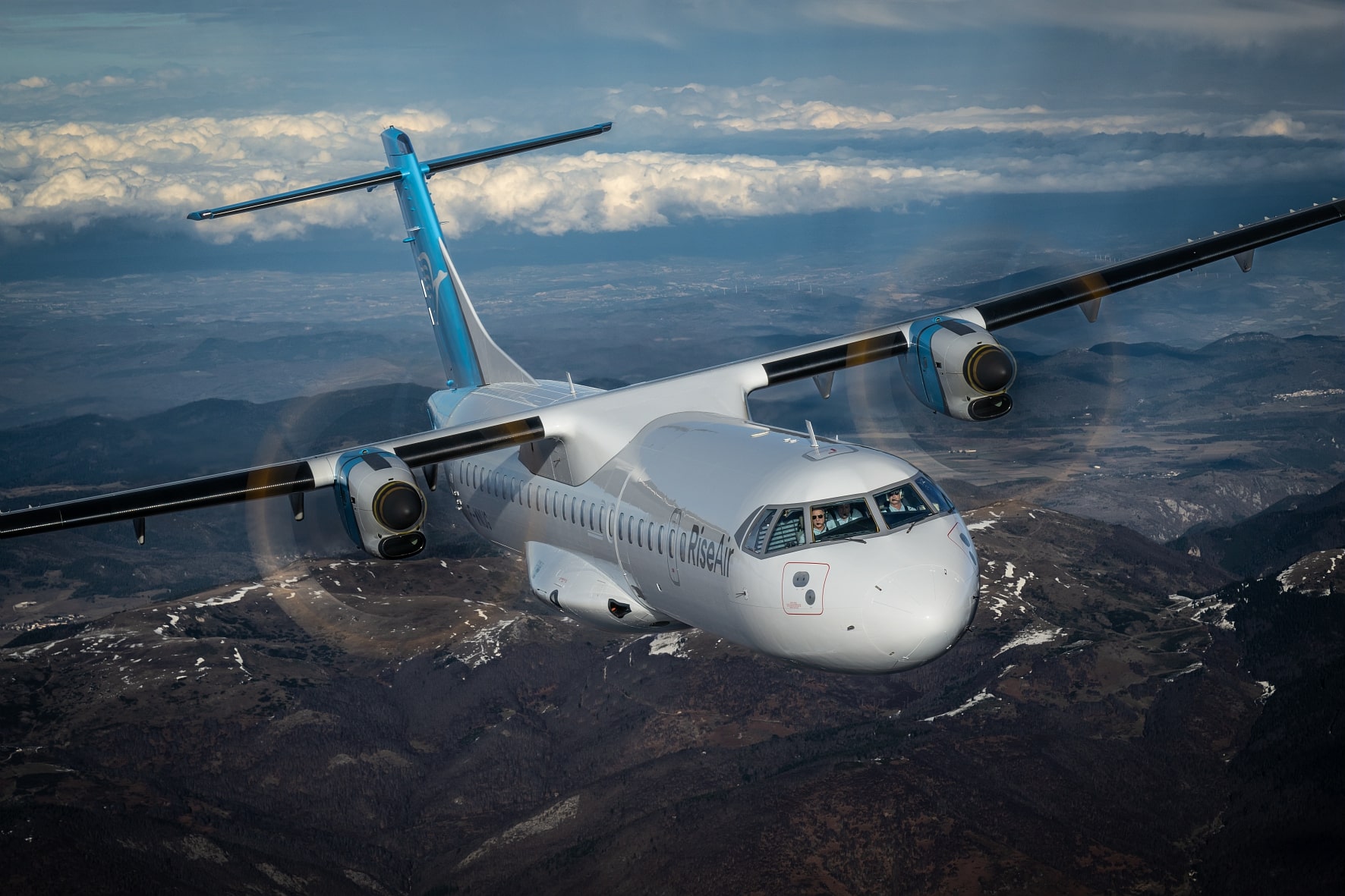
To support its mission, Rise Air has introduced the latest generation of turboprop aircraft with the ATR 72-600, marking the entry of the ATR -600 series into the Canadian market.
Designed specifically for regional aviation, the ATR 72-600 combines performance and versatility:
- Ability to operate on short and challenging runways
- Proven reliability in extreme weather conditions
- Optimized efficiency for low-density routes
For operators like Rise Air, these capabilities are not advantages; they are necessities.
A Smaller Footprint, a Bigger Commitment
Modernising the fleet also means taking responsibility for the future.
For communities where aviation is the only realistic option, where there is no responsible alternative, flying more efficiently is the most meaningful environmental step an airline can take.
“As we look to the future, it’s essential that we continue improving how we serve our communities, both operationally and environmentally. The ATR 72-600 supports that ambition by burning 45% less fuel and produces 45% fewer emissions than regional jets of comparable size.” Dan Gold, Director, Marketing and Stakeholder Relations – Rise Air
What a Flight Actually Means
Behind every flight is a tangible impact on the ground. Think about what it means to live somewhere with no roads out. Every doctor’s visit is a flight. Every delivery of fresh produce is a flight. Every time a young person leaves for college, or comes home for the holidays, that’s a flight too. Aviation isn’t infrastructure here. It’s the thread that supports community life.
Rise Air holds that thread carefully.
Looking ahead
As the aviation industry comes together at the NATA Canada event, partnerships like the one between Rise Air and ATR highlight the essential role of regional aviation.
Not just in connecting cities, but in connecting people to opportunities, to services, and to each other.
Because in places where roads end, the story doesn’t stop; aviation begins.

Share this article