




New ATR 72-600 strengthens inter-island air connectivity in Cabo Verde
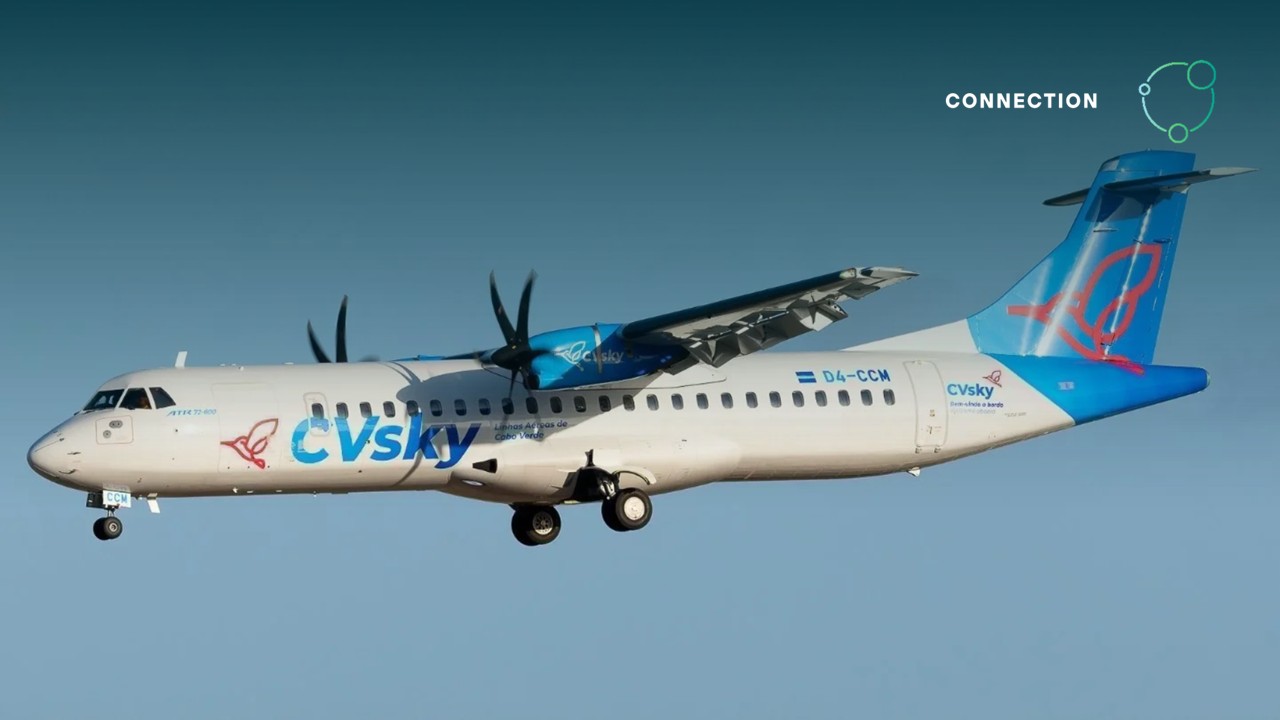
ATR has delivered a new ATR 72-600 to CVsky, operating under the Linhas Aéreas de Cabo Verde (LACV) brand. The aircraft adds capacity for the carrier that operates domestic flights across the archipelago.
It is the first of two ATR 72-600s that will join the airline’s fleet under a lease agreement. It will operate alongside the two ATRs already in service, contributing to CVsky’s mission of improving air connectivity between the islands of Cabo Verde. With three aerodromes and four airports, air transport is vital to people’s mobility and to economic development across the country.
Aviation as a driver of territorial cohesion
As an island nation, Cabo Verde relies heavily on air transport to keep people moving, support economic activity and strengthen territorial cohesion.
For thousands of residents, inter-island flights are essential for getting to work, education, healthcare and public services.
CVsky was founded in 2024 to meet this need. The airline is based in Praia, on the island of Santiago. It began operating in 2025 under an ACMI (Aircraft, Crew, Maintenance and Insurance) model, leasing both aircraft and operational services before launching its own operations in the IATA Summer 2026 season. Today it plays a central role in connecting the islands of the archipelago.

The value of these links is clear on routes such as Praia–Sal. A sea crossing can take up to about seven hours, while an ATR flight covers the same distance in about 40 minutes.
In Cabo Verde, air and sea transport complement each other. Ferries remain an affordable, cost-effective option for many journeys, but air transport is the essential alternative when time matters.
Fast, reliable air links make a real difference for students attending universities on other islands, for people who need specialist medical care and for professionals who travel often for work. They bring communities closer together and support equal opportunities across the archipelago.
As it grows its network, CVsky aims to make air travel accessible to more Cabo Verdeans while strengthening the country’s territorial integration.
The airline’s goals include better links to Praia, the country’s main administrative centre, from islands such as São Vicente and São Nicolau. It also plans to improve service to destinations that commercial aviation has historically served less.

Connectivity and tourism go hand in hand
Growing the domestic network is also meant to support tourism, one of the main drivers of Cabo Verde’s economy.
By offering more travel options and better connections between the islands, CVsky wants to help spread the benefits of tourism more evenly. This would give more communities access to new economic and development opportunities.
Tourism accounts for about 25% of Cabo Verde’s direct Gross Domestic Product (GDP), and its importance is even greater once its indirect impact on the national economy is included.
The planned Sal–Fogo route is part of this strategy. It will give residents new travel options and help spread tourist flows more evenly across the archipelago.

The ATR 72-600: the ideal choice for inter-island operations
The average flight in Cabo Verde’s domestic network lasts only 36 minutes. This calls for aircraft that are efficient, reliable and able to fly many rotations a day.
ATR aircraft have flown in Cabo Verde for more than three decades. The first ATR 42-320 arrived in November 1994, and ATRs have been part of the country’s aviation ever since.
This long presence reflects what ATR aircraft offer: low operating costs, efficient performance on short routes and a high standard of passenger comfort.
Their versatility allows them to maintain essential links between islands and to support tourism beyond the main international destinations. They can also keep flying in weather conditions that make sea transport less practical.
As an affordable, efficient and reliable form of air transport, ATR aircraft directly support the connectivity behind Cabo Verde’s territorial cohesion and economic development.
The ATR 72-600 is especially well suited to the country’s airports. Because it can take off and land on short runways, it operates efficiently at airports such as:
- Maio (1,200 m)
- São Nicolau (1,400 m)
- Fogo (1,500 m)
This flexibility supports CVsky’s strategy to expand its network and improve air connectivity across the archipelago.

The arrival of these new aircraft is another step towards stronger air mobility and connectivity in Cabo Verde.
The new ATRs will allow more frequent flights. They will also make it possible to open new routes, offer more convenient schedules and improve connections between the islands.
As demand grows, the extra capacity will make air travel more accessible to residents. It will also support the country’s goals for tourism growth and economic development.
ATR remains a strategic partner for air connectivity in Cabo Verde, helping bring communities closer together, support economic opportunities and strengthen links across the archipelago.
Share this article


