




Building Bridges Across Africa’s Skies
As African aviation leaders gather at AFRAA’s 57th Annual General Assembly under the theme “Sustainable Skies, Connected Africa”, the conversation centers on a critical challenge: how to make regional air connectivity more accessible, reliable and sustainable? A challenge that ATR understands better than anyone.
Despite Africa’s vast geography and growing demand for mobility, many communities still lack affordable options to connect economic and social opportunities. This stems from a combination of factors: limited direct air links between secondary cities, high operating costs on low-demand routes, infrastructure constraints such as short or unpaved runways, and regulatory barriers that slow liberalisation efforts.
“We have spent over four decades helping airlines overcome operational constraints, from short, unpaved runways to extreme climates, while delivering cost-effective, fuel-efficient solutions,” says Guillaume Huertas, ATR’s Head of Region EMEA. “Today, as Africa’s aviation ecosystem evolves, ATR is ready to help shape the next chapter: building networks that foster inclusion, drive economic growth, and support a sustainable future.”
Why Regional Mobility Matters
Africa’s aviation landscape is evolving rapidly, driven by economic growth, an expanding middle class, and the liberalisation efforts of the Single African Air Transport Market (SAATM). Yet, more than 300 city pairs remain without direct air links, and 60% of potential intra-African routes could be efficiently served by 70-seat aircraft.“ATR turboprops are ideally positioned to unlock this connectivity, enabling airlines to operate profitably even on routes with lower passenger demand or regions with limited infrastructure.”

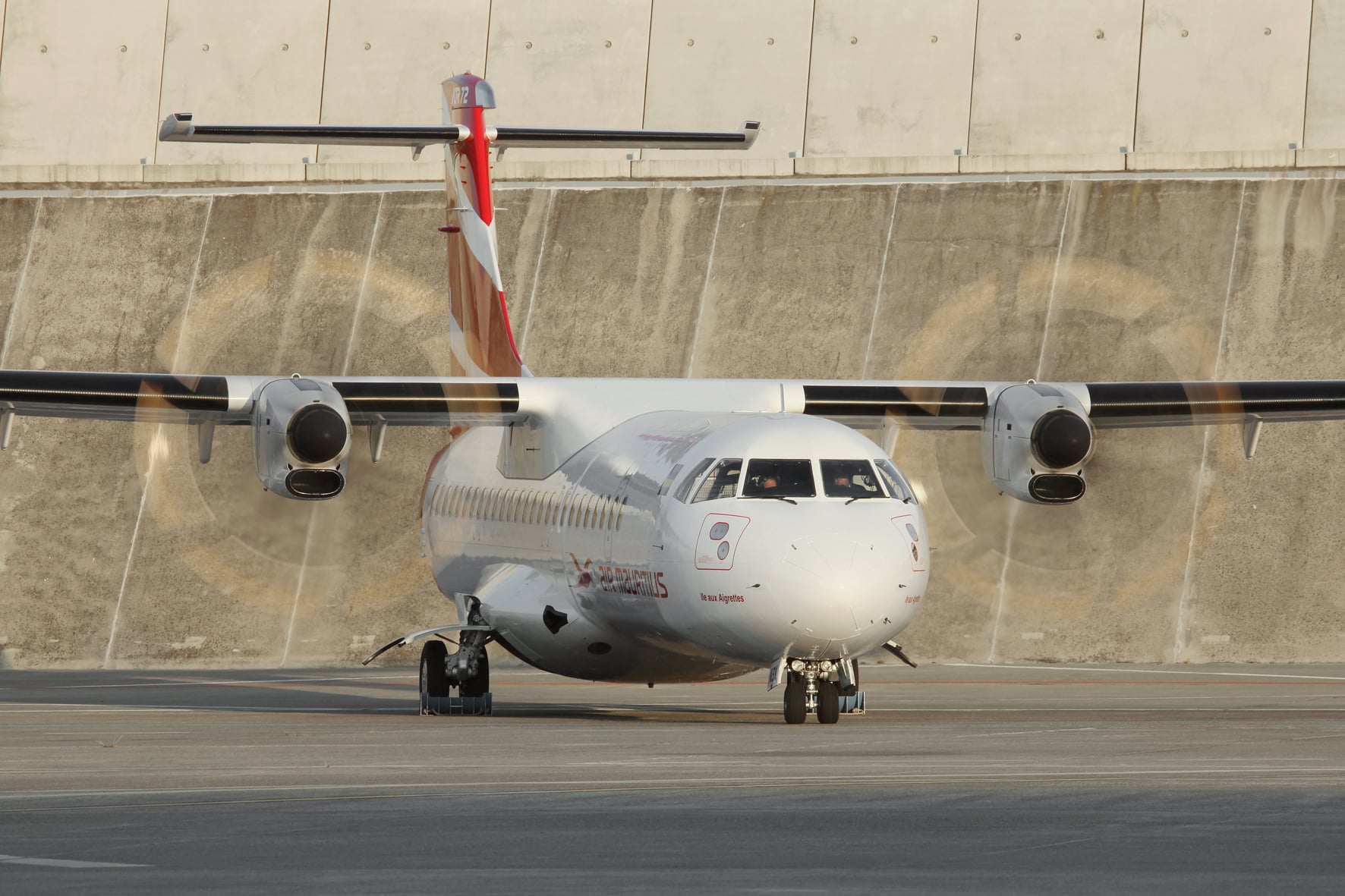
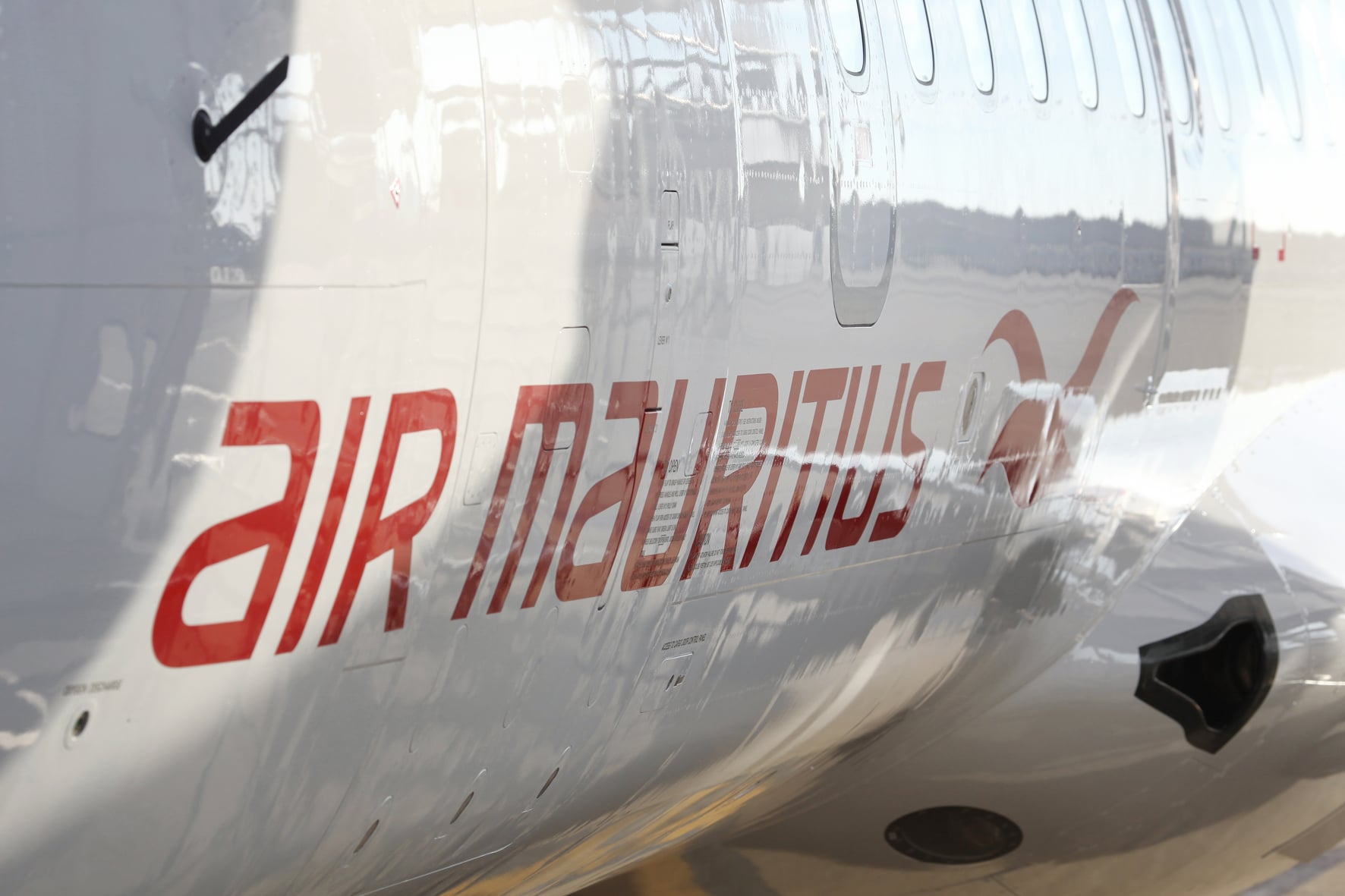
Since delivering our first aircraft to Air Mauritius in 1986, ATR has built enduring relationships across the continent because our aircraft offer the right combination of economics, efficiency, versatility and reliability.
Momentum on the Ground and in the Air
Today, over 120 ATR aircraft operate in Africa, representing nearly 30% fleet growth in just three years.
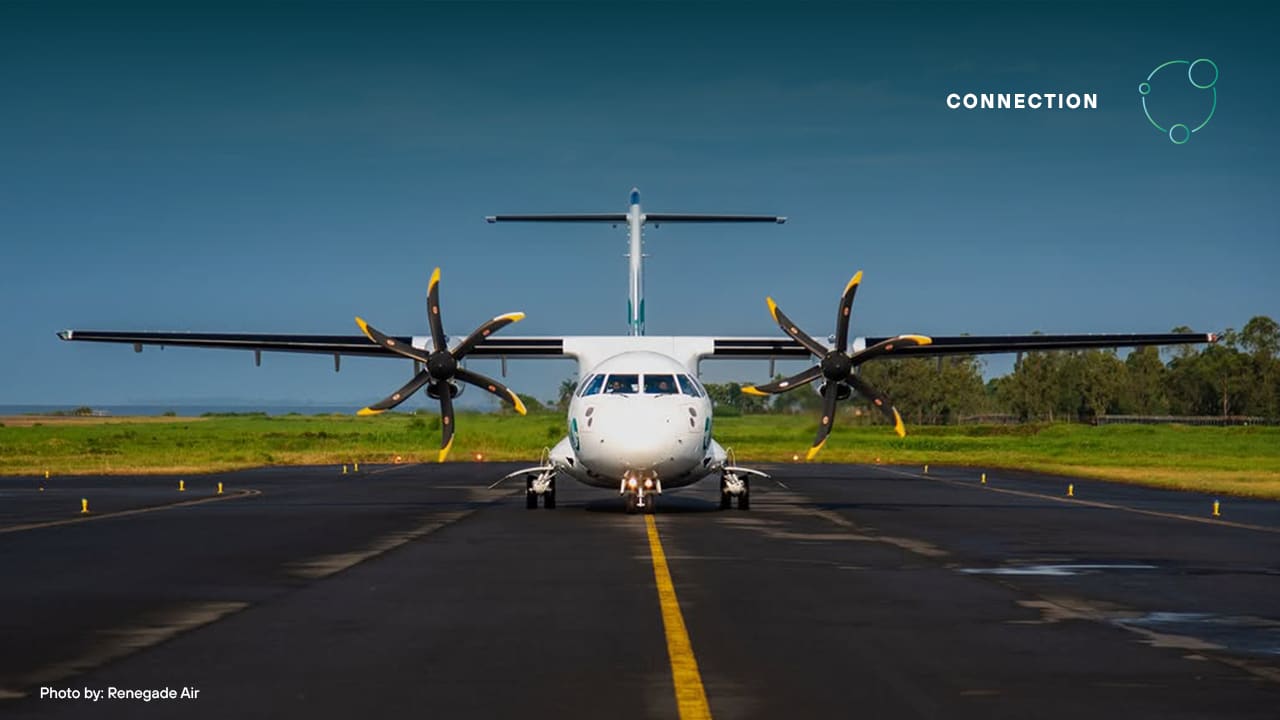
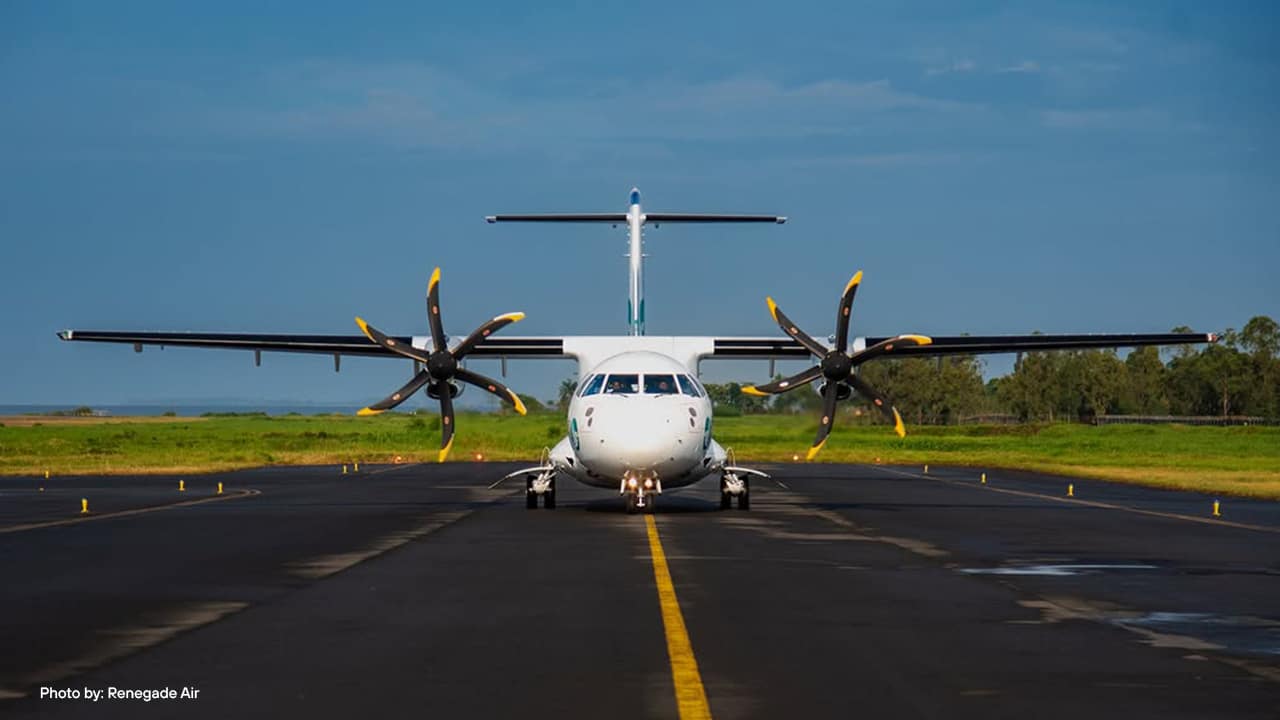
This momentum is particularly visible in Kenya, one of Africa’s most dynamic turboprop markets. In just 18 months, three operators – Renegade Air, Advantage Air Travel and Buff Air Services – introduced seven ATR aircraft into their fleets. These aircraft are serving both passenger and cargo missions, including humanitarian operations, and maintaining vital routes such as Nairobi (Wilson) to Kisumu, Wajir and Homa Bay. By linking major cities with remote regions, ATR aircraft are helping bridge distances, improve access to essential services, and unlock new economic opportunities.
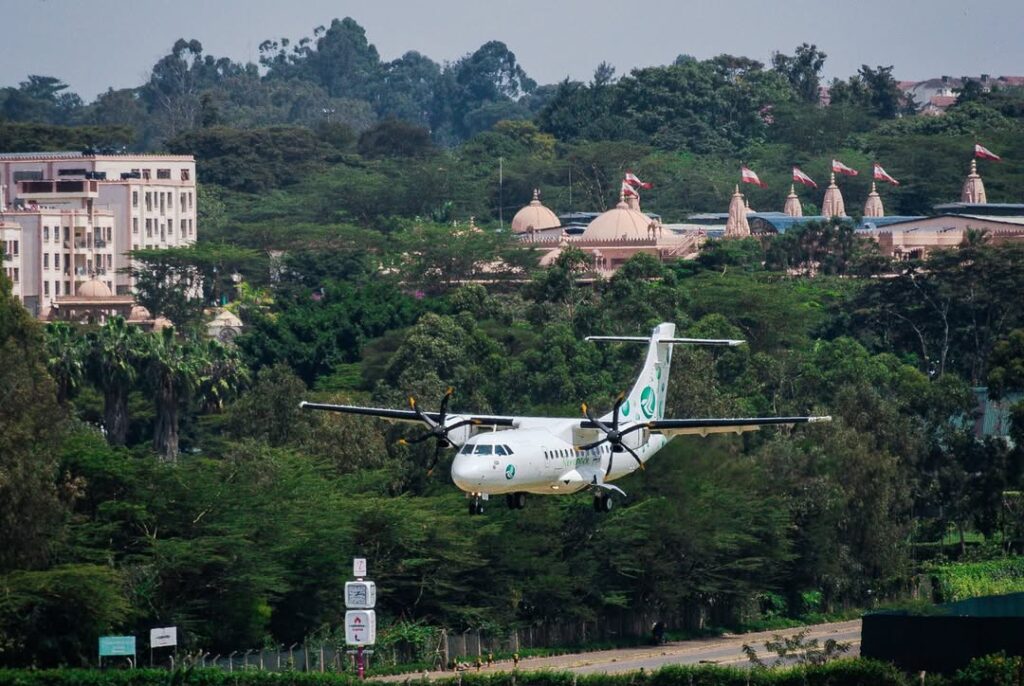
Photo by Renegade Air
Nigeria, Africa’s most populous nation and one of its largest economies, represents a cornerstone for regional air connectivity. With a growing number of ATR customers, the country is leveraging turboprops to connect major cities to underserved regions. The recent entry of Pioneer Airlines is particularly significant, as it focuses on developing routes from Bayelsa State, an area historically underconnected despite its economic potential.
ATR aircraft are ideally suited to Nigeria’s, diverse geography, from short runways, in remote areas to high-frequency shuttle routes between economic hubs. By enabling profitable operations on the thinnest routes, ATR supports not only passenger mobility but also cargo operations, reinforcing Nigeria’s role as a gateway for West African integration.
Building an Ecosystem for the Future
But ATR’s vision for Africa goes beyond delivering aircraft. It’s about creating a robust regional aviation ecosystem that empowers operators and their communities. And this ambition is already taking shape.
Leading aviation group Ethiopian Airlines (ET) recently leased two brand new ATR 72-600s for Air Congo operations. This follows a strategic agreement to develop ATR maintenance and training capabilities within the ET Group, an initiative that positions ET as a future MRO hub for ATR operators across Africa, giving airlines the confidence to grow their ATR fleets with the assurance of local maintenance and training support.
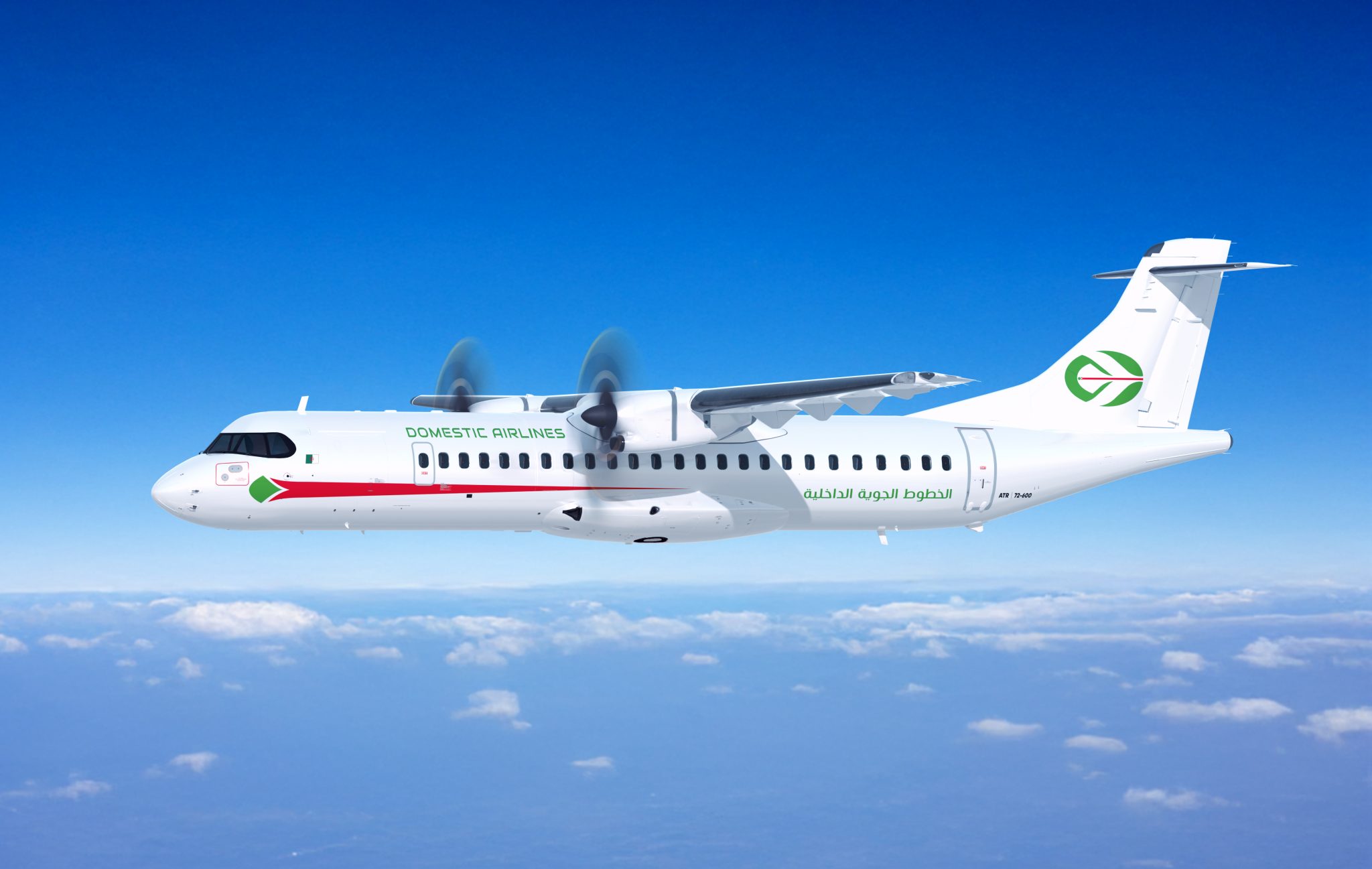
Similarly, Air Algérie’s landmark order for 16 ATR 72-600s demonstrates strong confidence in our platform and its ability to support inclusive growth. These aircraft will be operated by a new subsidiary – Domestic Airlines – dedicated to serving Algeria’s national network.

“ Regular flights from Ghardaïa to Algiers and Oran provide vital links between remote communities and economic hubs, reducing reliance on long, difficult road journeys. Their new ATR fleet will also enable Domestic Airlines to strongly increase connectivity across the south of Algeria. By improving access to essential services and boosting tourism in areas like the Sahara, this expansion will strengthen Algeria’s social and economic fabric,” adds Huertas.
This strategic acquisition also includes an ATR 72-600 full-flight simulator – the first of its kind in Africa – marking a significant milestone in regional aviation training on the continent.
Together, these partnerships are laying the foundation for a resilient network that empowers airlines, connects communities and drives economic progress across the continent.
The Next 40 Years: Inclusive and Sustainable
Regional connectivity is a proven catalyst for development: studies show that a 10% increase in regional flights can boost local GDP by 6%, tourism by 5% and foreign investment by 8%. ATR is committed to helping Africa grow its regional aviation system sustainably: with the right aircraft, the right economics, the right accessibility, and a vision for the future of regional mobility.
ATR is leading innovation through the European Clean Aviation programme, aiming to fly the world’s first hybrid-electric regional aircraft by 2030, and progress the feasibility study of its EVO concept, for an entry into service in the mid-2030s. These advancements will further reduce emissions and operating costs, ensuring regional aviation remains accessible and future-proof.
As Africa’s aviation sector accelerates, ATR stands as a trusted partner for airlines across the continent. Together, we can connect more people, more reliably, boost local economies, and build a future where everyone can access all the opportunities of a connected world.

Share this article


