

What is Regional Mobility in Aviation and Why is it Relevant?
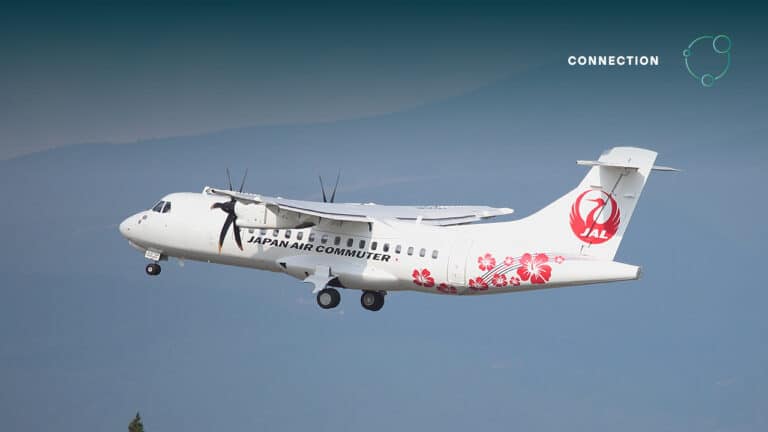
Regional mobility is the ecosystem that connects two population areas within roughly 1,000 km of each other. It brings together a diverse mix of players found in both long-distance and urban mobility, including airlines, lessors, aircraft manufacturers, rail and bus operators, and on-demand services. What differentiates regional mobility is its role as an intermediate layer: it provides essential connectivity that is too extensive for urban systems yet not adequately served by long-haul air transport, thereby ensuring coherent and efficient regional connectivity.
When people think about traveling between regions, they often think of trains or cars, but regional aircraft are just as integral to mobility networks as roads and rail. Regional aircraft link smaller cities to larger economic centres, forming a crucial part of the travel ecosystem. Highways, railways, buses, and regional flights work together to provide passengers with seamless, efficient travel options. For example, a traveler may fly on a regional aircraft to a hub city, then continue by train or bus to a smaller town, showing how different types of transportation complement each otehr.
Infrastructure corridors such as highways or railroads, usually developed and maintained by governments, form the backbone of this ecosystem. Increasingly, private partners participate through public-private partnerships (PPPs), further integrating different modes of transport.
By connecting smaller cities to larger economic centres, regional mobility spreads opportunity, raises land values, increases access to transport infrastructure, and supports national sovereignty by ensuring that even remote or less-connected areas remain part of the national network. It is this dynamic interplay between aviation and other transport modes that makes regional mobility essential to modern connectivity.
Why Mobility Matters
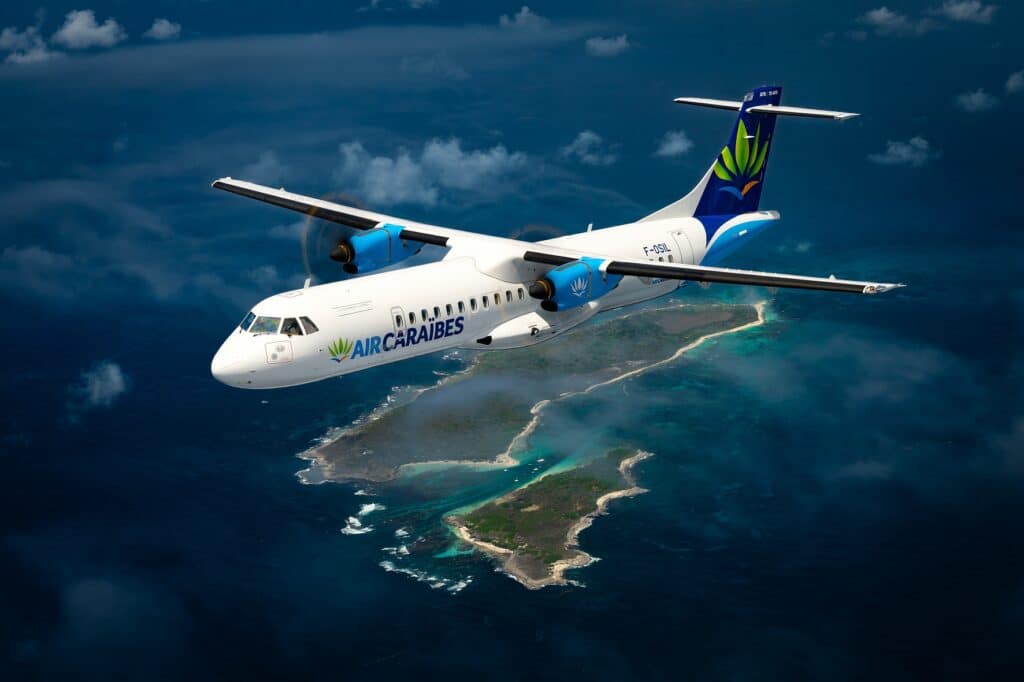
Mobility is a fundamental human need, it is not just about movement, it’s about access, inclusion, and opportunity. From visiting family to doing business, receiving medical care, or enjoying cultural exchange, mobility enables people and communities to thrive. It supports social cohesion and drives regional development.
Yet, access to mobility remains uneven. Geographic challenges, like mountainous terrain, dispersed islands, or vast rural spaces, can isolate entire populations. In many places, infrastructure is underdeveloped or costly to maintain. That’s why regional mobility is so critical: the more we can optimise existing networks and deploy tailored, efficient solutions, the more we can bring people closer together and unlock regional potential.
The demand for mobility continues to grow, reflecting an evolving world where decentralised economies and flexible lifestyles are becoming the norm. But growing demand also means we must rethink how we deliver connectivity, making sure it is responsible, affordable, and adapted to local realities.
This is where regional aviation can make a real difference. With low infrastructure needs, cost-effective operations, and lower environmental footprint, it offers the flexibility and reach needed to connect communities responsibly and efficiently.
Regional Aviation and the Role of Turboprop Aircraft in Regional Mobility
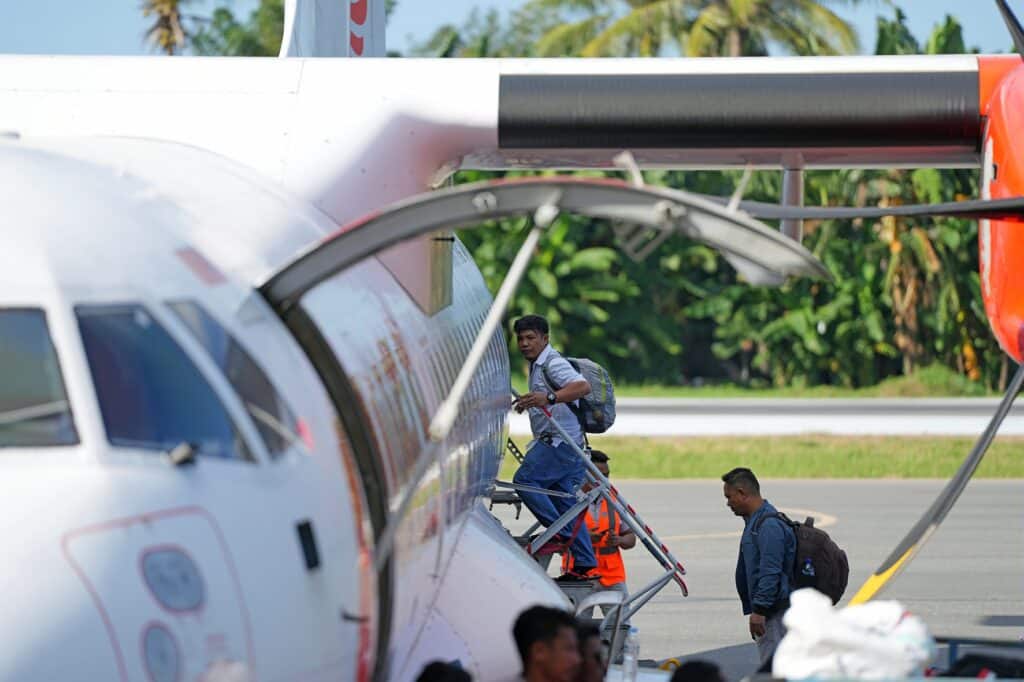
Regional aviation refers to the system of air transport that connects smaller cities, rural areas, and remote locations with major metropolitan hubs. This form of aviation can be powered by efficient aircraft such as turboprop aircraft and plays a vital role in reducing travel times, enhancing accessibility, and promoting responsible short-haul flights. Thanks to advancements in turboprop technology, regional air transport can significantly reduce operational costs while increasing frequency and capacity. This makes turboprops an ideal solution for strengthening the regional aviation network, offering communities vital access to both domestic and international markets.
This connectivity offers economic growth, supporting sectors such as tourism, commerce, and industry by enabling faster movement of people and goods across regions.
Today, air transport represents just 2-4% of all regional trips, depending on the country, but its role is both unique and essential. Regional air mobility is particularly impactful in:
- Developing economies, where ground infrastructure is limited and surface travel options are slow or unreliable.
- Challenging geographies, such as mountainous regions or archipelagos, where building roads, rail, or tunnels is costly and slow, and ferries or detours add significant travel time.

Airline consolidation has made fewer hubs more dominant by maximising the number of 1 stop air routes while reducing the possibility for passengers to travel non-stop between secondary cities and so adding time, costs, and carbon emissions.
Globally, 96% of traffic is concentrated in just 4% of airports, yet many countries, such as Indonesia, South Korea, India, and France, have dense networks of secondary airports that are underused. This imbalance causes congestion in major hubs and limits growth opportunities for smaller regions.
By boosting regional air mobility we can connect communities and businesses more quickly and effectively, make better use of existing airport infrastructure and avoid costly surface transport investments, where you have a runway, you don’t need a highway.


Regional Aircraft: The Ally for Short, Range Mobility
Regional aircraft are specifically engineered to meet the needs of short, range mobility, serving as a strategic bridge between smaller cities, remote areas, and larger urban centres. With their compact size and optimised performance, these aircraft are ideal for routes with lower passenger demand, where deploying larger jets would be inefficient or economically unfeasible. Their ability to operate from shorter runways and access airports in geographically challenging locations makes them an essential tool for ensuring connectivity across diverse territories.
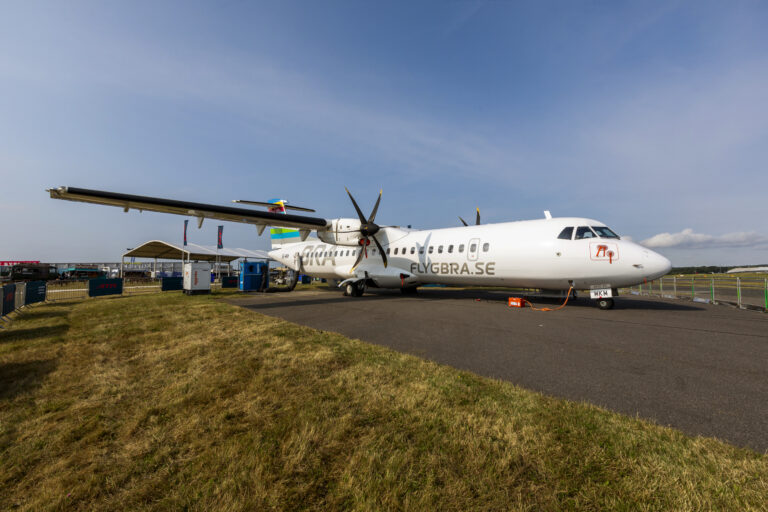
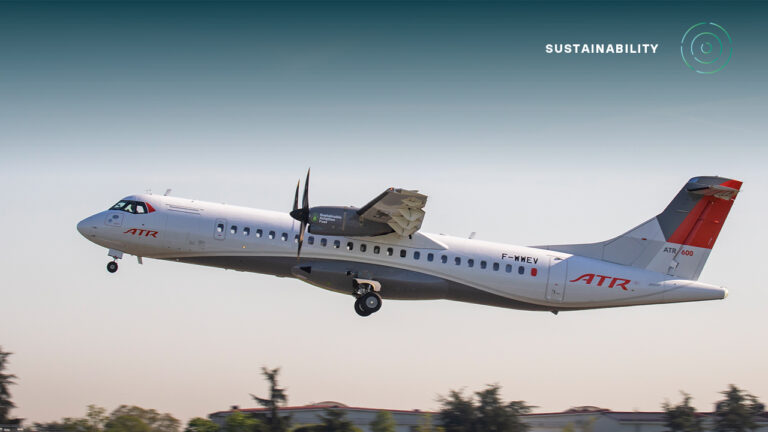
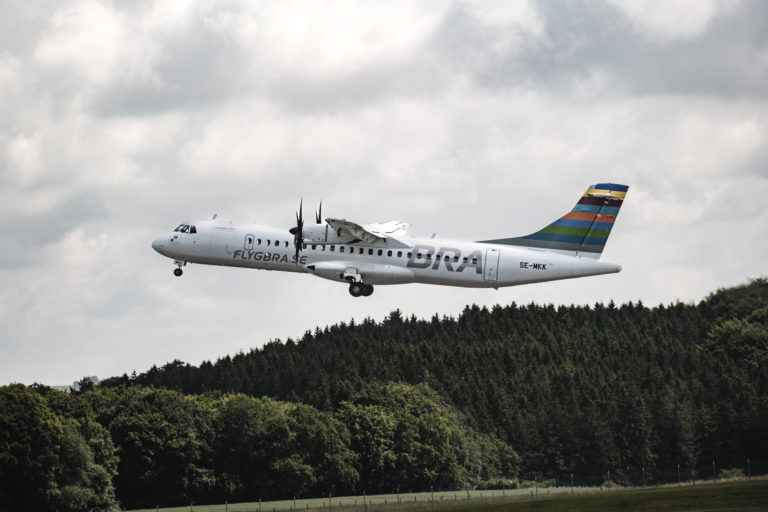
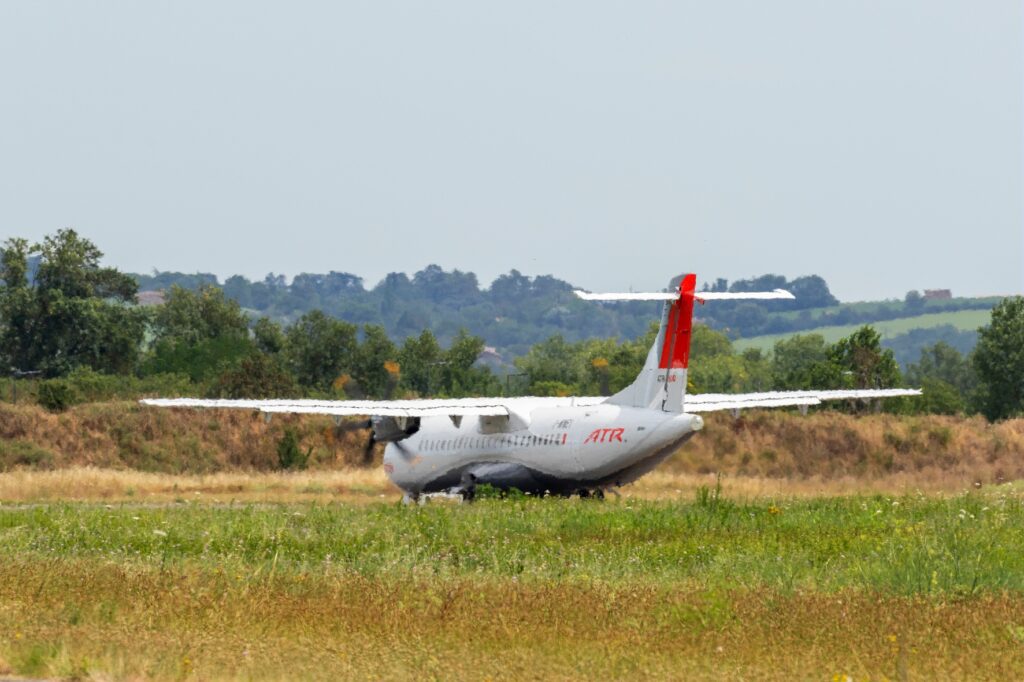
Among the most effective platforms in this category are turboprop aircraft, which combine low fuel consumption with high operational efficiency. The ATR 42-600 and ATR 72-600 are perfect examples of modern regional aviation: they are capable of serving high, frequency routes while minimising environmental impact and operating costs. These turboprop aircraft play a vital role in connecting underserved areas, supporting sustainable development, and driving the future of regional air mobility.
Key Technologies Driving Regional Aviation
The evolution of regional aviation is being shaped by a series of groundbreaking technologies. Modern turboprop engines, for instance, offer fuel efficiency, low operating costs, and increased reliability, making them ideal for short, to medium, haul flights. Advanced avionics systems help increase safety margins and optimise flight operations, while lightweight composite materials are used to reduce aircraft weight and increase fuel efficiency.
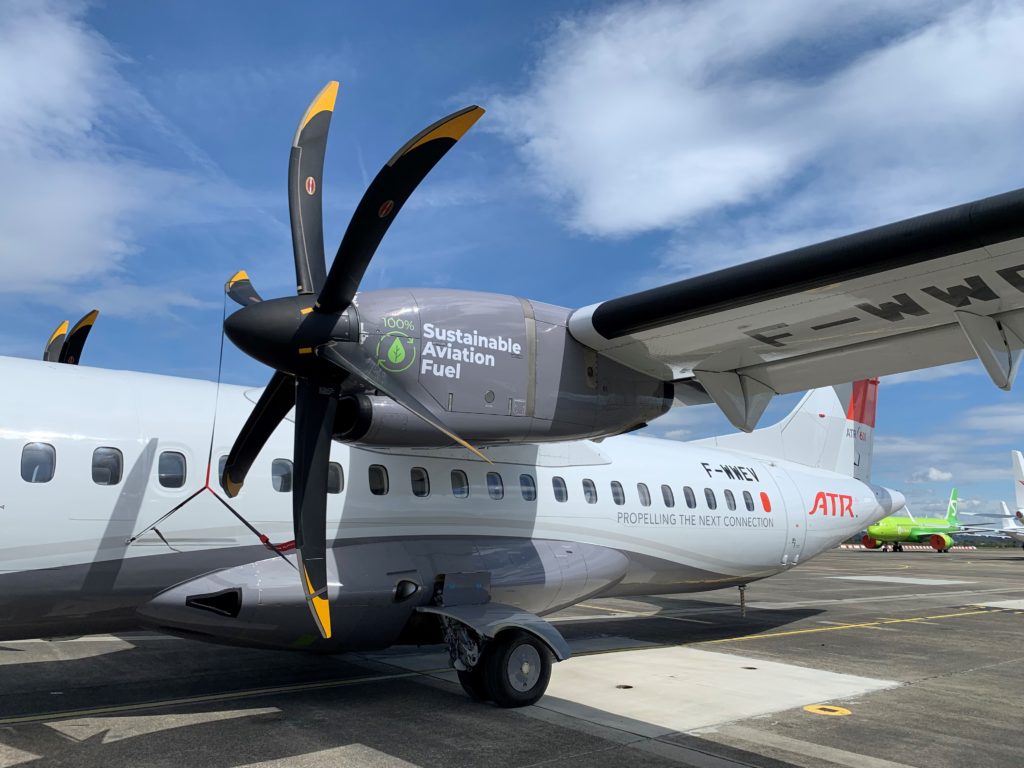
Another critical advancement is the integration of sustainable aviation fuel (SAF), which reduces carbon emissions and offers a better future for air transport. These technologies, combined with innovative aircraft designs, are set to make regional aviation more efficient, responsible, and cost, effective than ever before.
A Future of Seamless Regional Connectivity
Investing in regional mobility ensures a future where distance and location are no longer a barrier to connectivity. Through enhanced air networks, improved infrastructure, and technological advancements, regional aviation will continue to be a vital force in global connectivity. By strengthening regional ties, we pave the way for a more connected, resilient, and prosperous world.
As we look ahead, the future of regional aviation will see increased collaboration between governments, airlines, and manufacturers to build efficient, sustainable transport systems that offer greater accessibility to remote regions.
Learn more about our commitment to decarbonising aviation through innovations like the ATR EVO concept the use of Sustainable Aviation Fuels (SAF), and a comprehensive approach to the aircraft lifecycle. Discover how these efforts aim to reduce emissions, enhance efficiency, and ensure that regional aviation continues to connect communities responsibly.