


Beyond Speed: Rethinking Connectivity in a Fragmented World
In an age where progress is measured in gigabytes and global reach, we rarely pause to ask: what does it truly mean to be connected? Is connectivity about speed, or about access? About linking cities, or linking lives?
For billions living in remote regions, the answer is clear: connectivity is not a luxury, it’s a lifeline. Yet physical isolation persists, even as digital networks expand. If technology can bridge the digital divide, what bridges the physical one?
This is where aviation, and specifically regional aviation, becomes more than transportation. It becomes an enabler of opportunity. ATR’s mission is not simply to fly, it is to connect people to possibilities, sustainably and inclusively.

Innovation with Purpose: ATR’s Role in Regional Mobility
Remote areas often face costly, limited air service that slows growth and strains resources. But this narrative can be changed. ATR’s turboprop technology cuts fuel use by 45% compared to similar-size regional jets, while reaching the toughest terrains. This is not just engineering, it’s a commitment to making low-emission aviation a reality for communities that need it most.
Just as digital transformation unlocks prosperity in rural areas, as highlighted by the World Economic Forum, ATR brings the same principle to the skies: bridging divides, creating access, and enabling progress where it matters most.
For more info on how innovation impacts remote areas, check this article: https://www.weforum.org/stories/2025/06/scaling-digital-technology-for-rural-prosperity/
The Right Aircraft Size for Remote Areas
Progress is often measured by scale: bigger aircraft, higher volumes, faster speeds. But real progress in regional mobility is not only about moving the most people, it’s also about ensuring that every community, no matter how remote, is connected as reliably and efficiently as the busiest hubs.
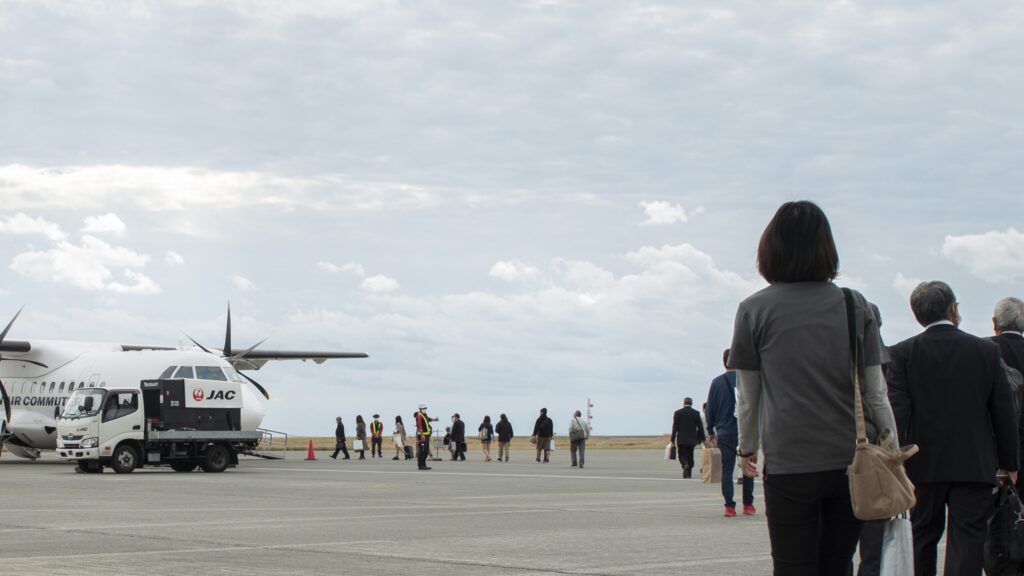
Remote regions often mean thinner routes and lower passenger demand. Serving them requires more than ambition. It demands aircraft that are right-sized for the market, designed for cost-effectiveness and fuel efficiency, without compromising frequency or reliability. This is where ATR turboprops excel; they make steady, frequent connectivity possible – not as an occasional luxury, but as a dependable lifeline.
By burning 45% less fuel than comparable regional jets, ATR aircraft deliver sustainability where it matters most. They enable operators to maintain routes that others might abandon, ensuring that connectivity does not come at the expense of the environment. In this way, efficiency becomes more than an operational metric, it becomes a principle of inclusion, linking people, not just places, while limiting our impact on the planet.
Navigating the World’s Forgotten Frontiers
Nearly half of the world’s population – about 3.4 billion people – live in rural regions. Many of these areas face barriers to growth due to limited infrastructure and connectivity. As the World Economic Forum highlights, access to technology and innovation is essential to unlocking their economic potential.
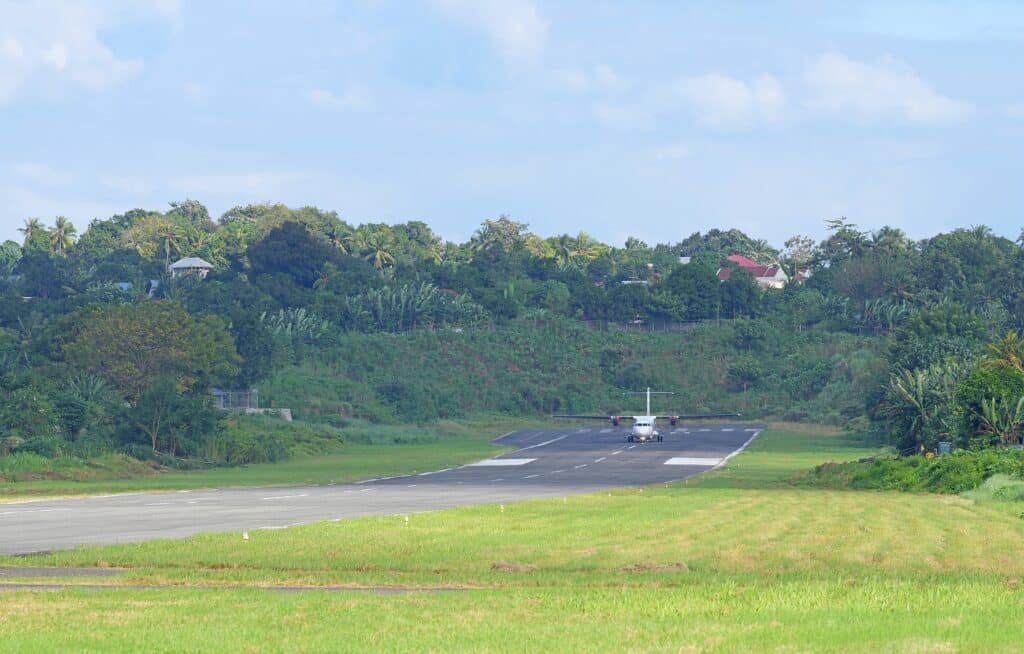
ATR makes this possible. Our aircraft are designed to operate where others can’t: reaching mountainous regions, remote islands, and rural airstrips with shorter runways. By connecting these challenging terrains, ATR helps bridge physical and economic gaps, supporting communities that depend on air links for essential services, trade, and opportunity.
Flexibility for a World of Diverse Needs
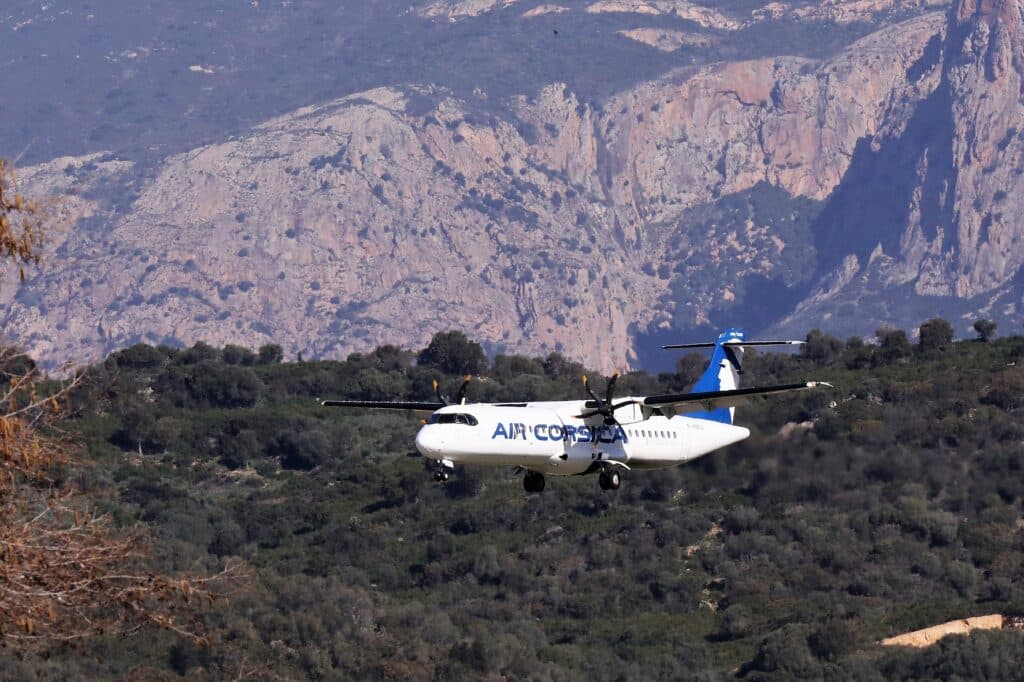
Every region has its own rhythm and needs. ATR aircraft offer the flexibility to adapt quickly to different routes, weather conditions, and passenger demands, giving regional operators the agility to serve local communities efficiently. This operational adaptability doesn’t just make flying possible; it makes progress sustainable.
By combining innovation in aviation with the same spirit of inclusion seen in digital transformation, ATR plays a vital role in ensuring that innovation serves not only the busiest hubs, but also the most isolated lifelines.
Connecting Beyond Infrastructure: A Human Imperative
For us, more than technology, innovation is about people. Connectivity is not about liking airports, it’s about linking lives. Our aircraft play a vital role in giving remote communities access to healthcare, education, and economic opportunity.
By connecting these regions, ATR aircraft support growth that is inclusive and enduring. With better access comes greater opportunity, for trade, learning and well-being.
A Call for Dialogue: What Future Do We Want?
As the world races toward faster, bigger, and more global, we must ask: who will champion the local lifelines? Should innovation serve the fastest routes, or the forgotten ones?
At ATR, we believe progress should be measured not only in speed, but in reach. In the ability to connect people, not just places. Because in the end, connectivity is not a privilege, it’s a right. And the future of regional mobility depends on how boldly we choose to bride the gaps that remain.

Share this article